1. How does the SmartHinge frame swap system mitigate inventory carrying costs for global optical distributors?
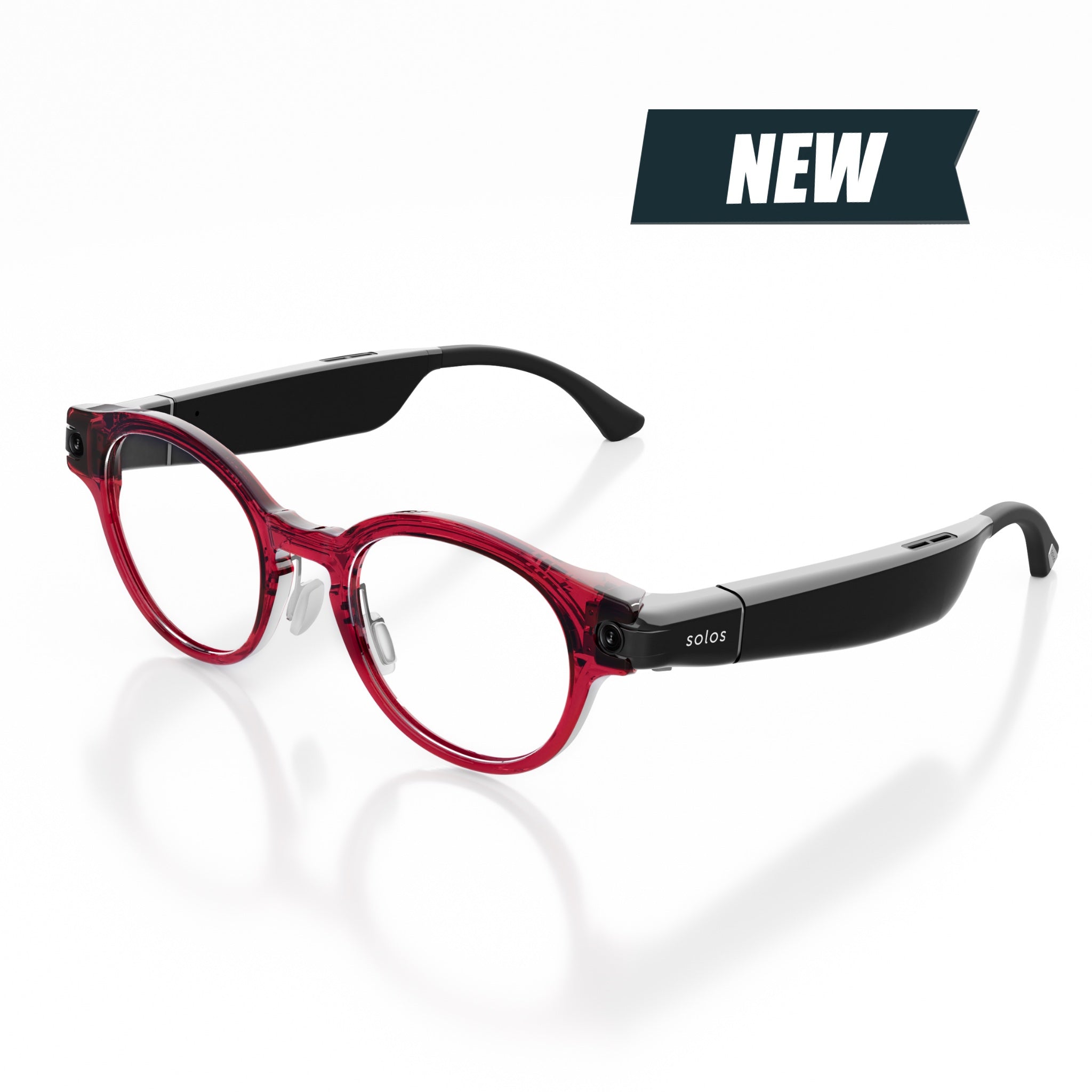
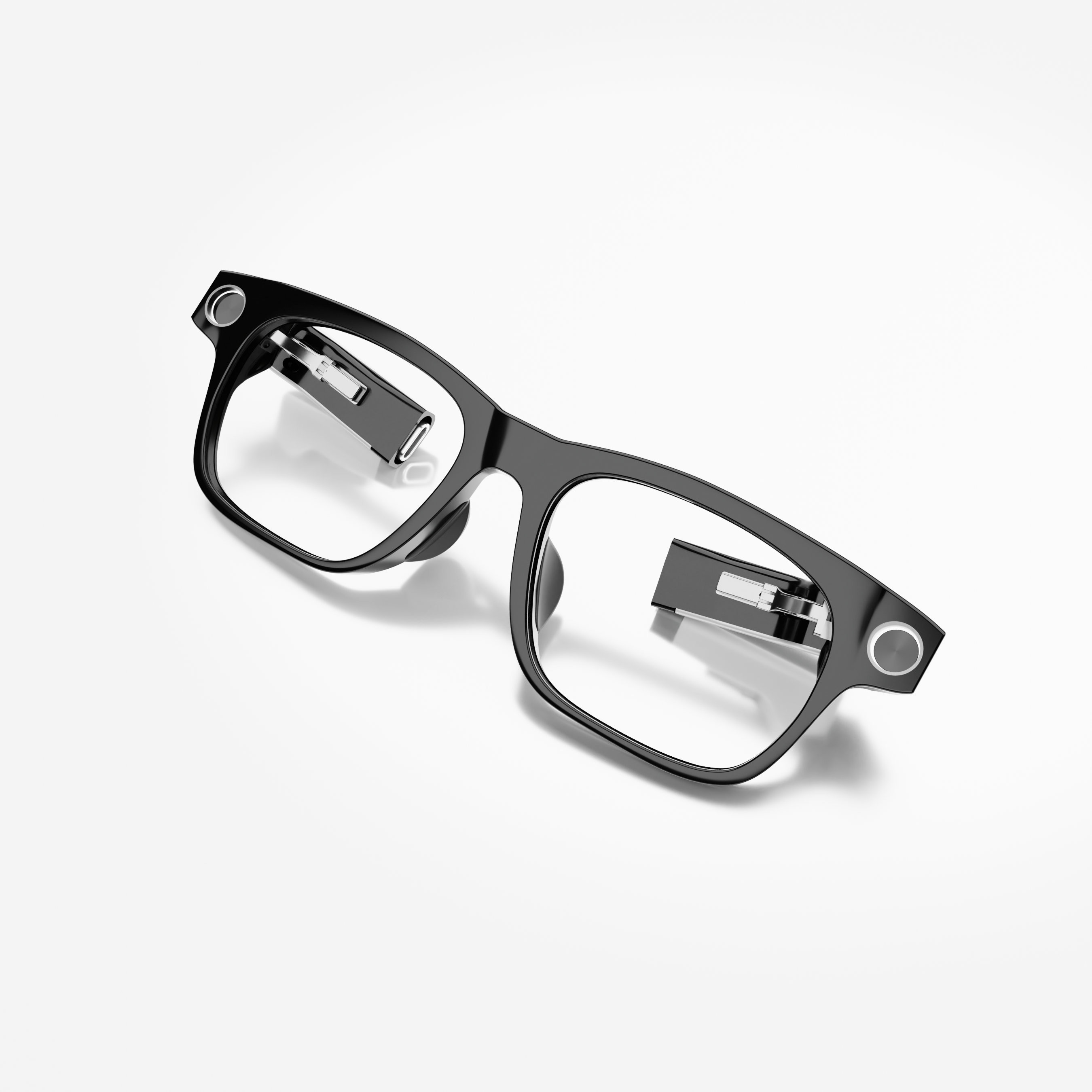
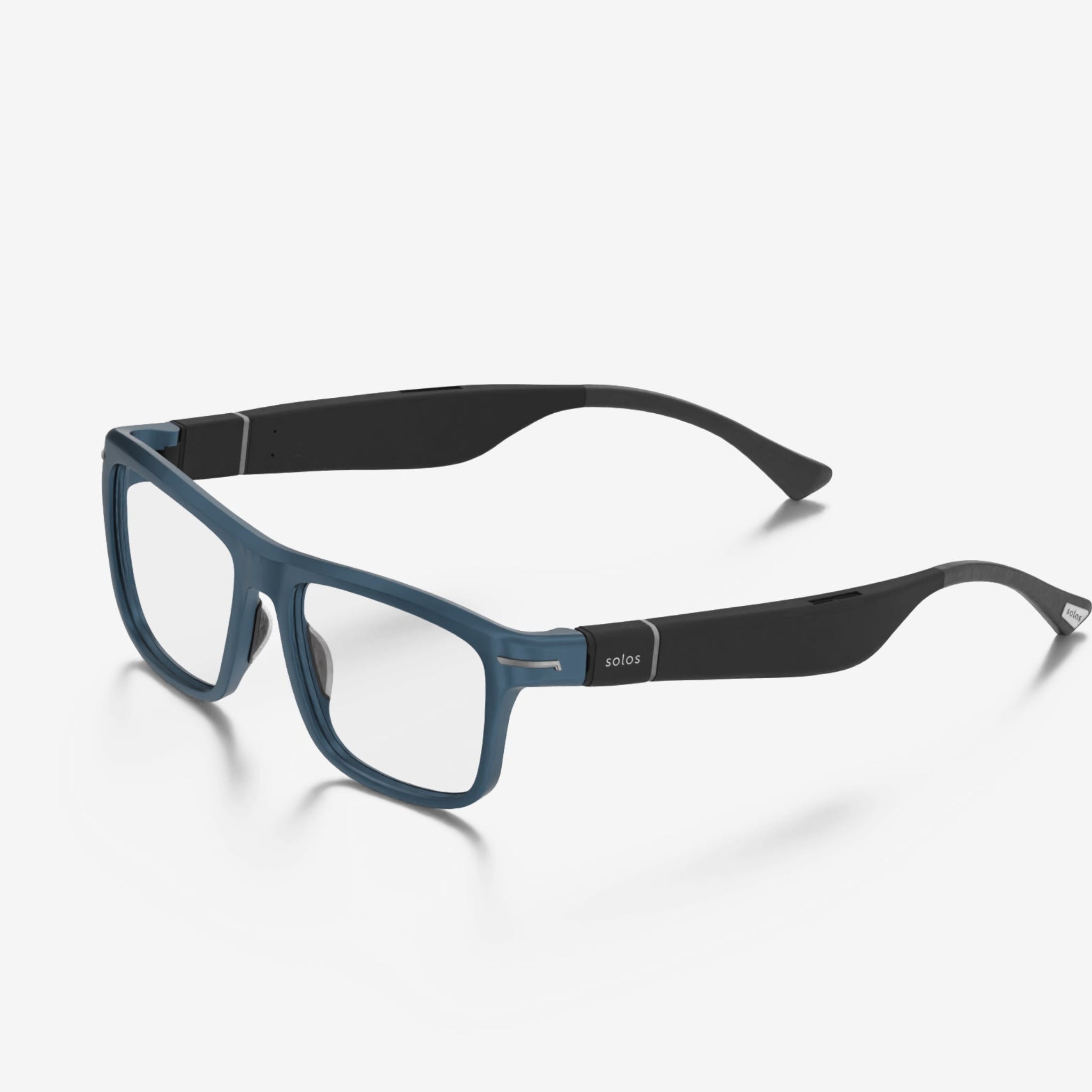
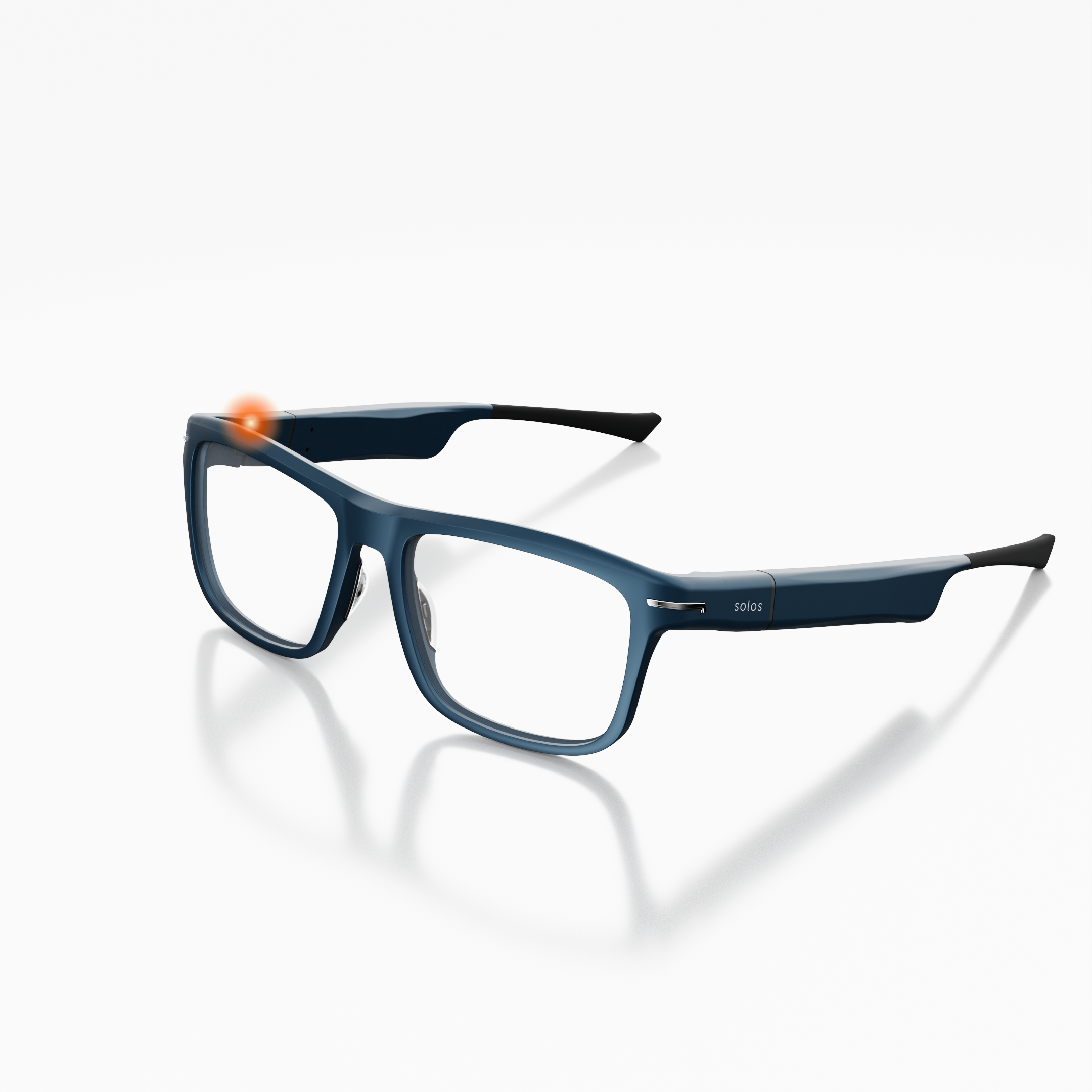
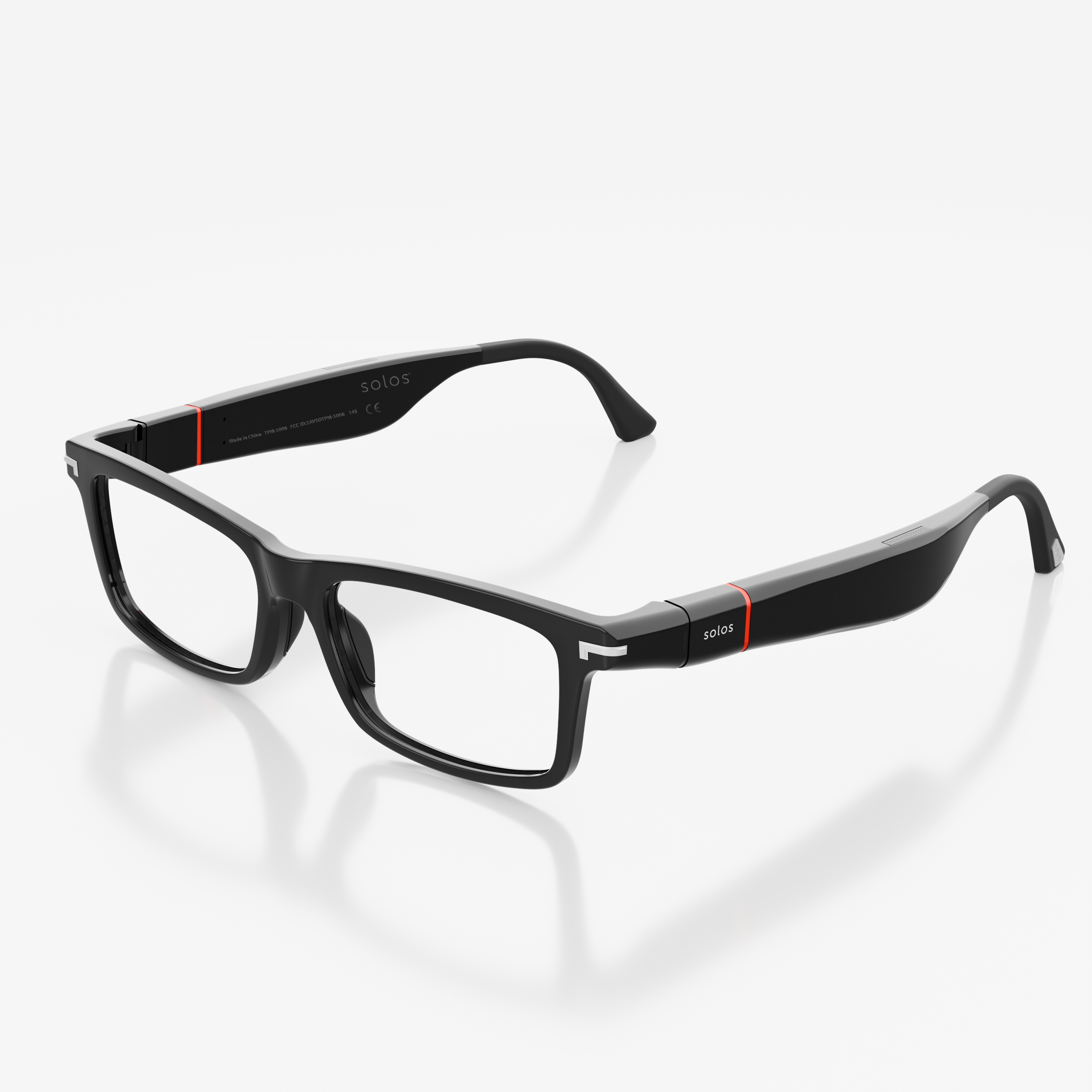
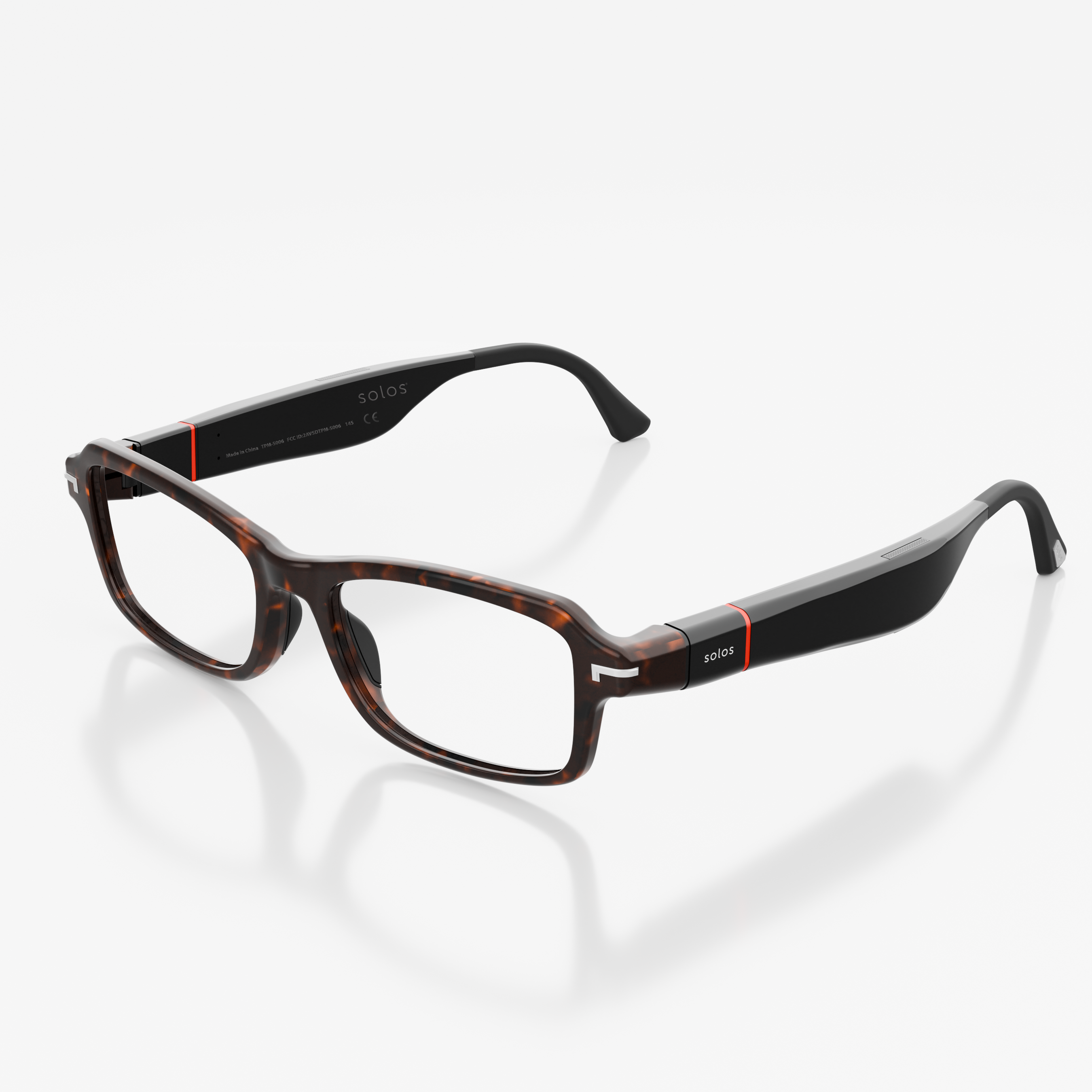
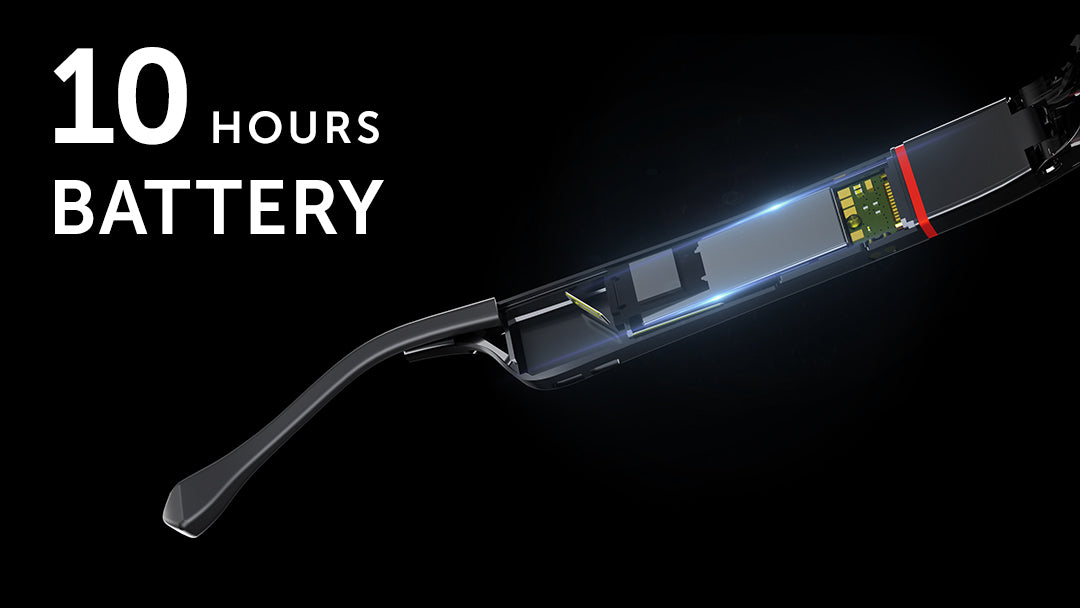
Traditional smart glasses require stocking separate, complete electronic units for every frame style, eye size, colorway, and optical prescription type. This creates exponential SKU proliferation and heavy capital tie-up. The SmartHinge frame swap system decouples the electronic temples (containing the battery, Bluetooth SoC, Whisper® audio drivers, and touch sensors) from passive optical frame fronts. Distributors need to stock only a small core inventory of universal smart temples alongside low-cost non-electronic front frames. This modular approach reduces inventory SKU complexity by up to 65% and drastically minimizes working capital risk.
2. Can wholesale optical laboratories fit prescription lenses into SmartHinge frame fronts using standard edging equipment?
Yes. Because SmartHinge™ front frames contain no micro-electronics, batteries, or wiring, optical laboratories can process them using standard edgers, tracers, and lens beveling machinery. Optical labs handle SmartHinge fronts exactly like conventional high-grade acetate or TR90 frames, accommodating single vision, progressive, blue-light blocking, high-index (1.67/1.74), and photochromic lenses without risk of electrical short-circuits or heat damage during lens insertion.
3. What electrical pin layout and signal transfer protocols does the SmartHinge system use for audio and camera modules?
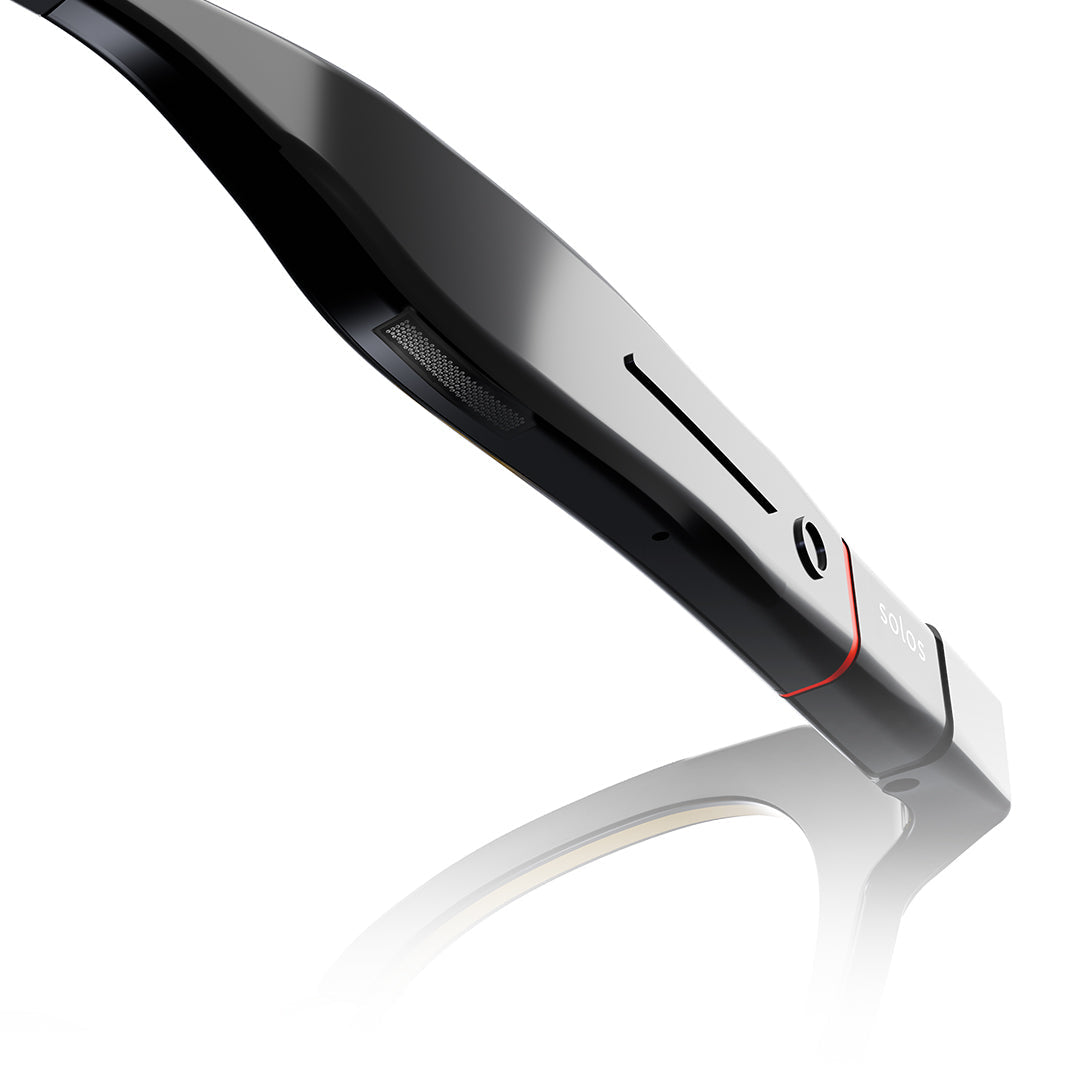
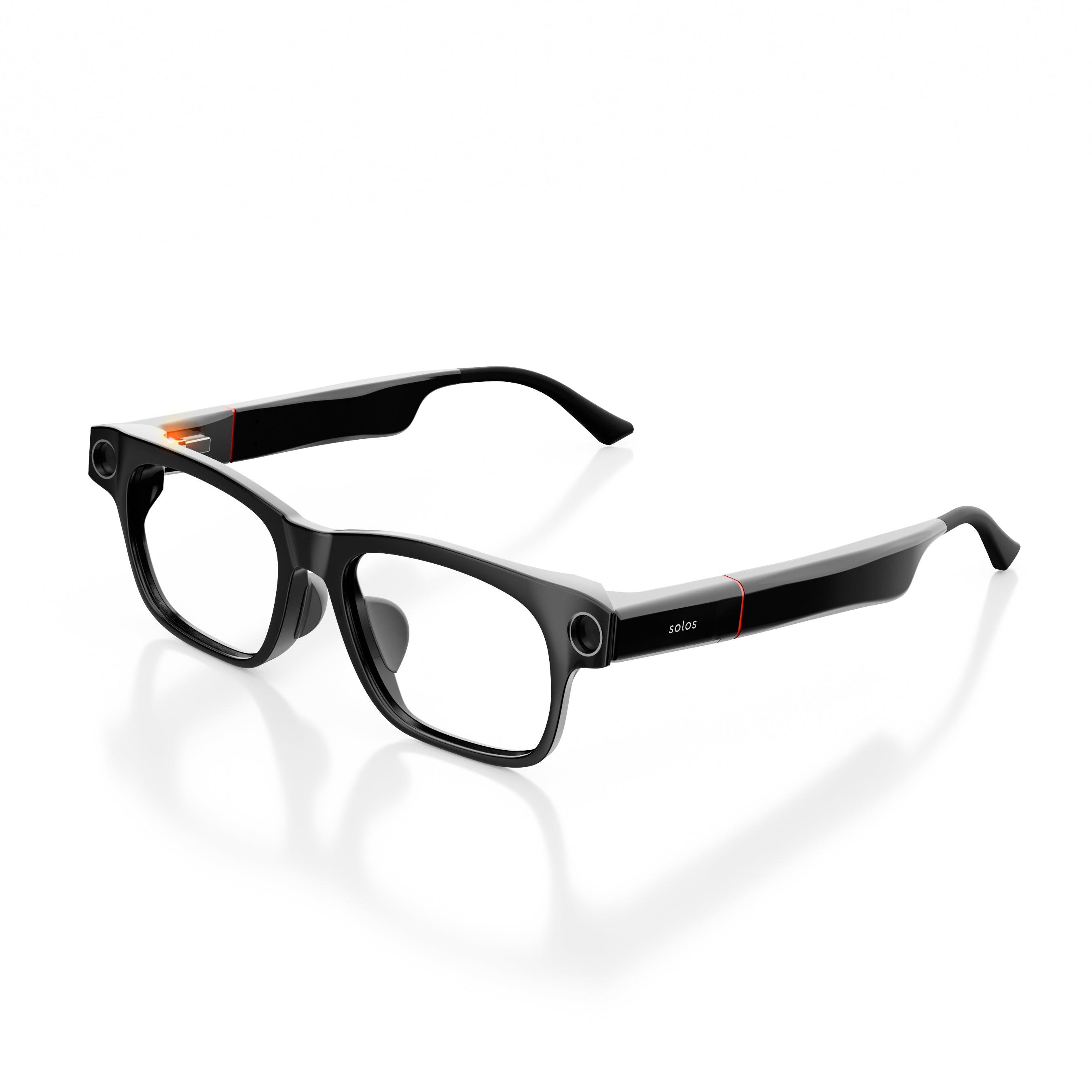
The SmartHinge connector utilizes a precision multi-pin pogo array coated in gold-over-nickel plating to prevent oxidation and maintain electrical contact resistance below 15 mΩ. Depending on the model series (AirGo™ Audio vs. AirGo™ Vision), the interface carries dedicated lines for low-voltage power distribution, high-speed differential sensor data (for camera frame fronts), I2C control buses for touch and optical proximity sensors, and isolated ground planes to maintain audio signal-to-noise ratios (SNR > 95 dB).
4. How does SmartHinge ensure IP54 water and dust resistance across thousands of frame swap operations?
Water ingress prevention is achieved through a dual-stage sealing design. A molded hydrophobic fluororubber (FKM) gasket sits around the perimeter of the electrical contact block inside the hinge receiver. When the frame front latch snaps into position, it applies calibrated axial compression against the gasket, forming a moisture barrier certified to IEC 60529 IP54. Furthermore, the pogo pins utilize internal silicone O-rings that prevent liquid creeping into the hollow temple interior even during intense rain or heavy sweat exposure.
5. How does SmartHinge solve corporate privacy compliance issues for enterprise camera smart glasses?
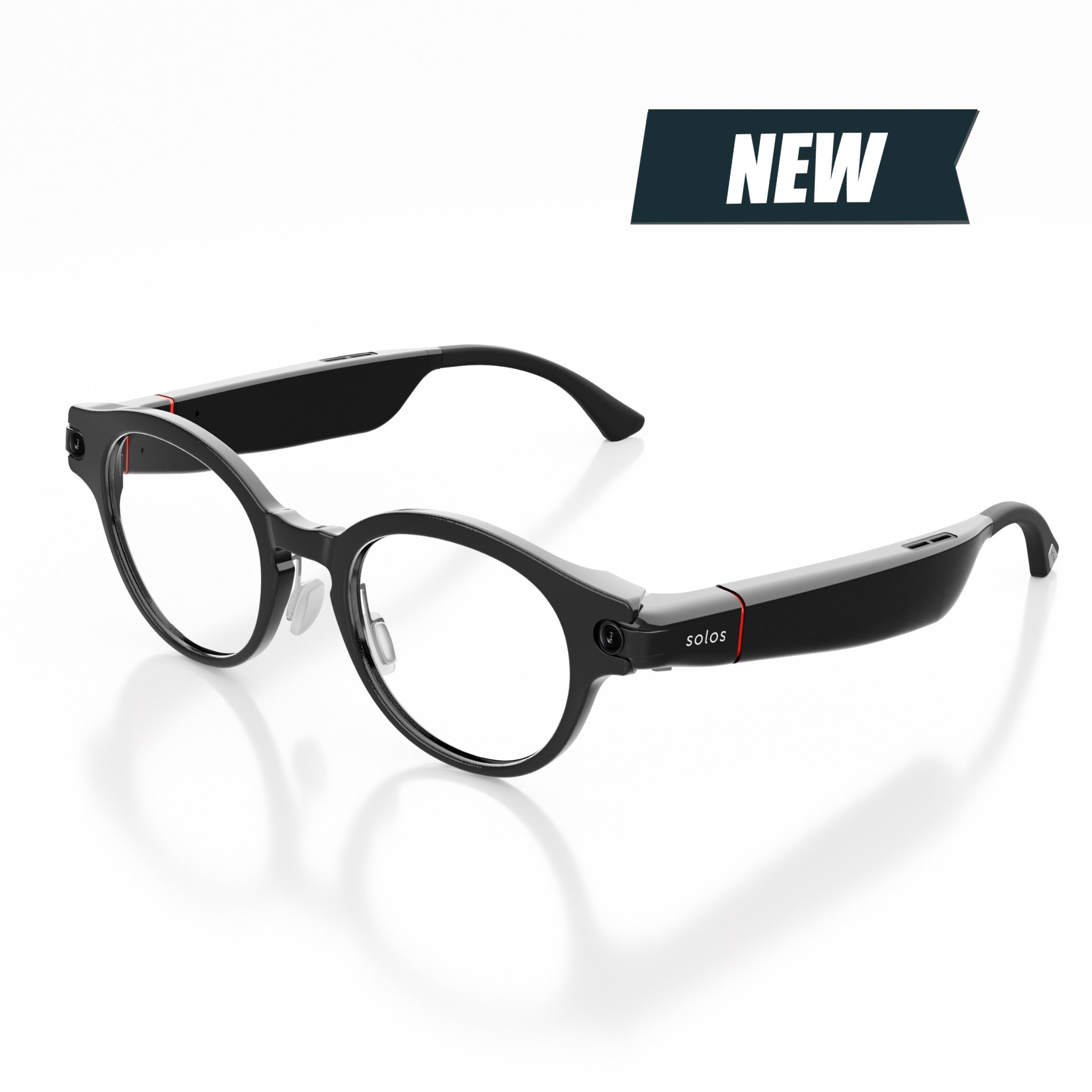
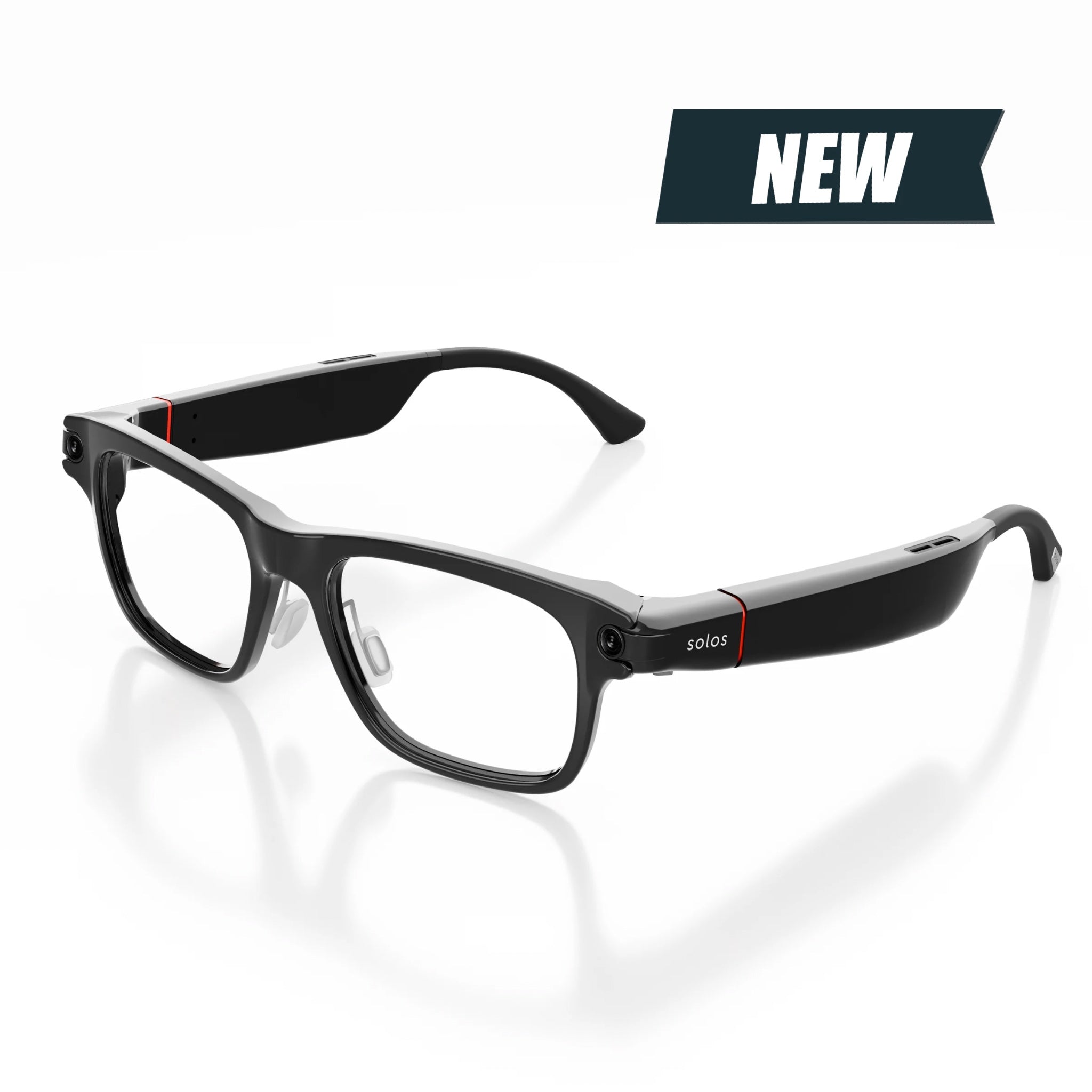
Many enterprise facilities—such as automotive R&D labs, defense assembly plants, healthcare operating rooms, and financial data centers—strictly prohibit recording devices. With monolithic camera smartglasses, employees must leave their corrective vision eyewear at the door. SmartHinge solves this completely: workers can unclip their camera-equipped frame front (such as the AirGo™ V2 Prime) and snap their electronic temples onto a camera-free optical front in less than three seconds. They maintain their vision correction, open-ear audio connectivity, and AI translation capabilities while remaining 100% compliant with facility privacy policies.
6. What software SDK and enterprise API capabilities are supported by the Solos AirGo™ platform?
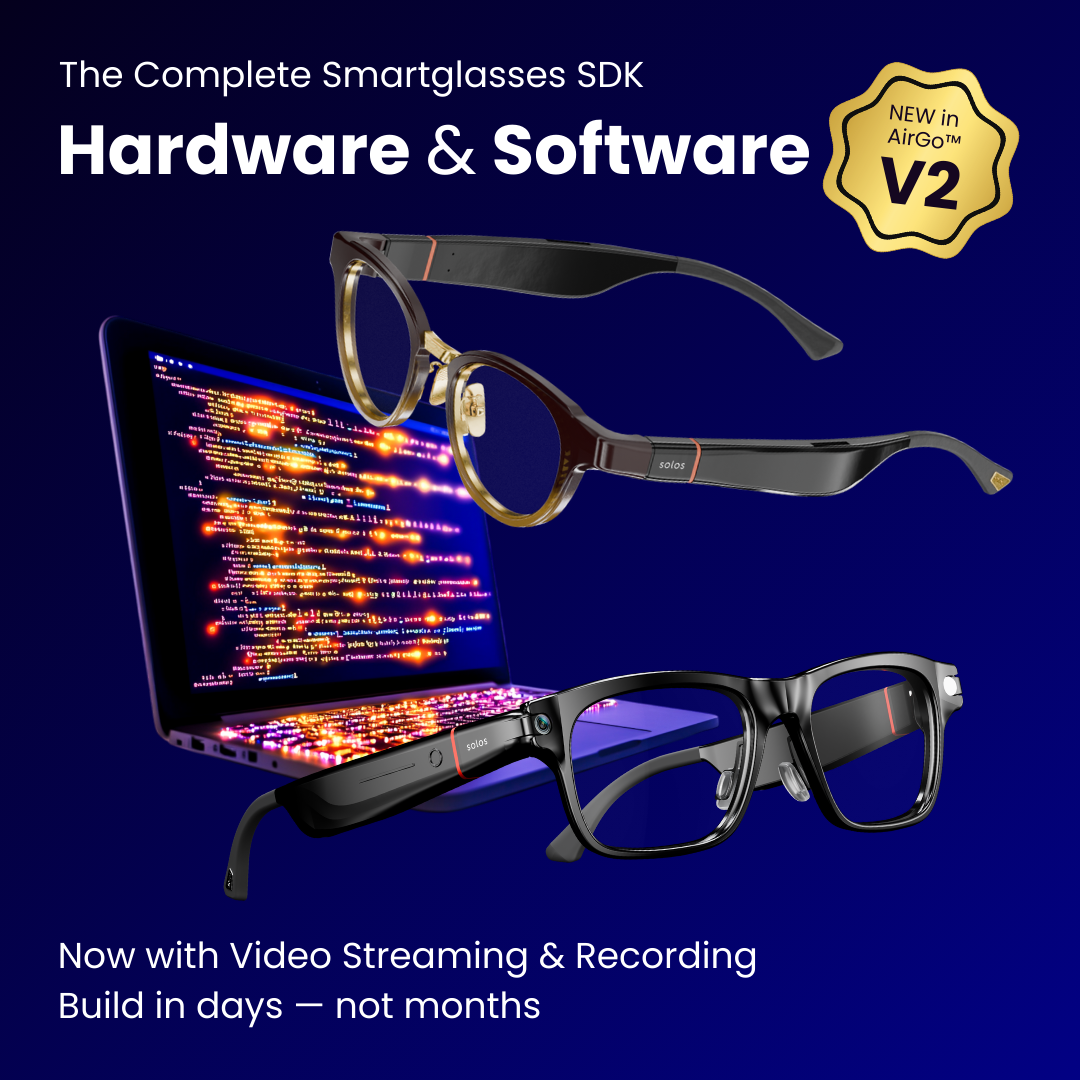
Solos provides a comprehensive enterprise Software Development Kit (SDK) compatible with iOS and Android. The SDK gives software engineers direct access to sensor telemetry (9-axis IMU head tracking, tap/slide gesture inputs, wear detection sensors), audio routing streams, and real-time noise-canceling voice pipelines. Enterprise clients use the SDK to build hands-free warehouse picking systems, field service remote expert guidance systems, worker safety monitoring (fall detection), and custom voice-activated AI agents.
7. What are the minimum order quantities (MOQ) and customization lead times for white-label or OEM/ODM SmartHinge frame front production?
For standard catalog SmartHinge frame fronts (over 40+ existing frame shapes, colors, and sizes), standard wholesale MOQ starts as low as 100 units per style. For custom OEM/ODM frame front developments—including proprietary brand frame geometries, specialized materials (such as titanium or bio-based acetate), or custom corporate pantone matching—the MOQ is typically 1,000 units with a tooling-to-sample lead time of 4 to 6 weeks and mass production delivery within 8 weeks.
8. How does SmartHinge support real-time multilingual translation (SolosTranslate™) in high-noise industrial settings?
SolosTranslate™ operates by combining the AirGo™ app's cloud neural translation engine with the hardware's dual-microphone beamforming array. The Whisper® audio system isolates the user's spoken voice while canceling ambient factory noise up to 85 dB. Incoming translated speech is transmitted through open-ear directional acoustic waveguides directly to the user's ear canal, allowing seamless 1-to-1 or multi-party translated conversations across 40+ languages without relying on handheld smartphones.
9. What is the lifecycle warranty return (RMA) rate comparison between SmartHinge modular units and monolithic smart glasses?
Field reliability data across global retail deployments indicates that SmartHinge modular systems achieve a 70% reduction in total product returns compared to integrated monolithic smart glasses. In monolithic devices, a single scratched lens, broken frame arm, or loose prescription fitting invalidates the entire device. With SmartHinge, individual components (temples, front frames, or prescription lenses) are replaced independently at nominal cost, reducing customer claim friction and reducing fleet operating costs for B2B deployments.
10. How do photochromic and ZEISS optical options integrate with the SmartHinge product ecosystem?
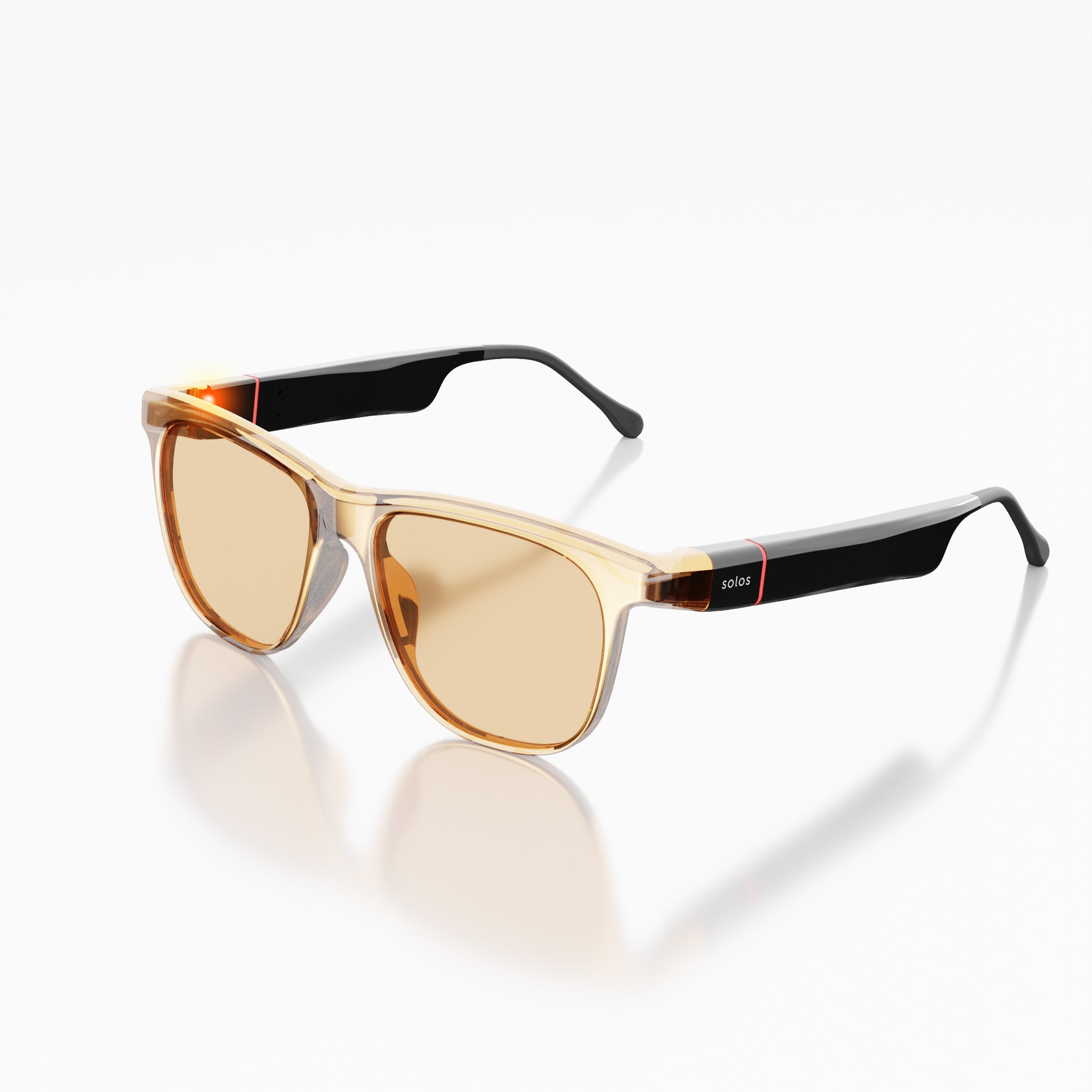
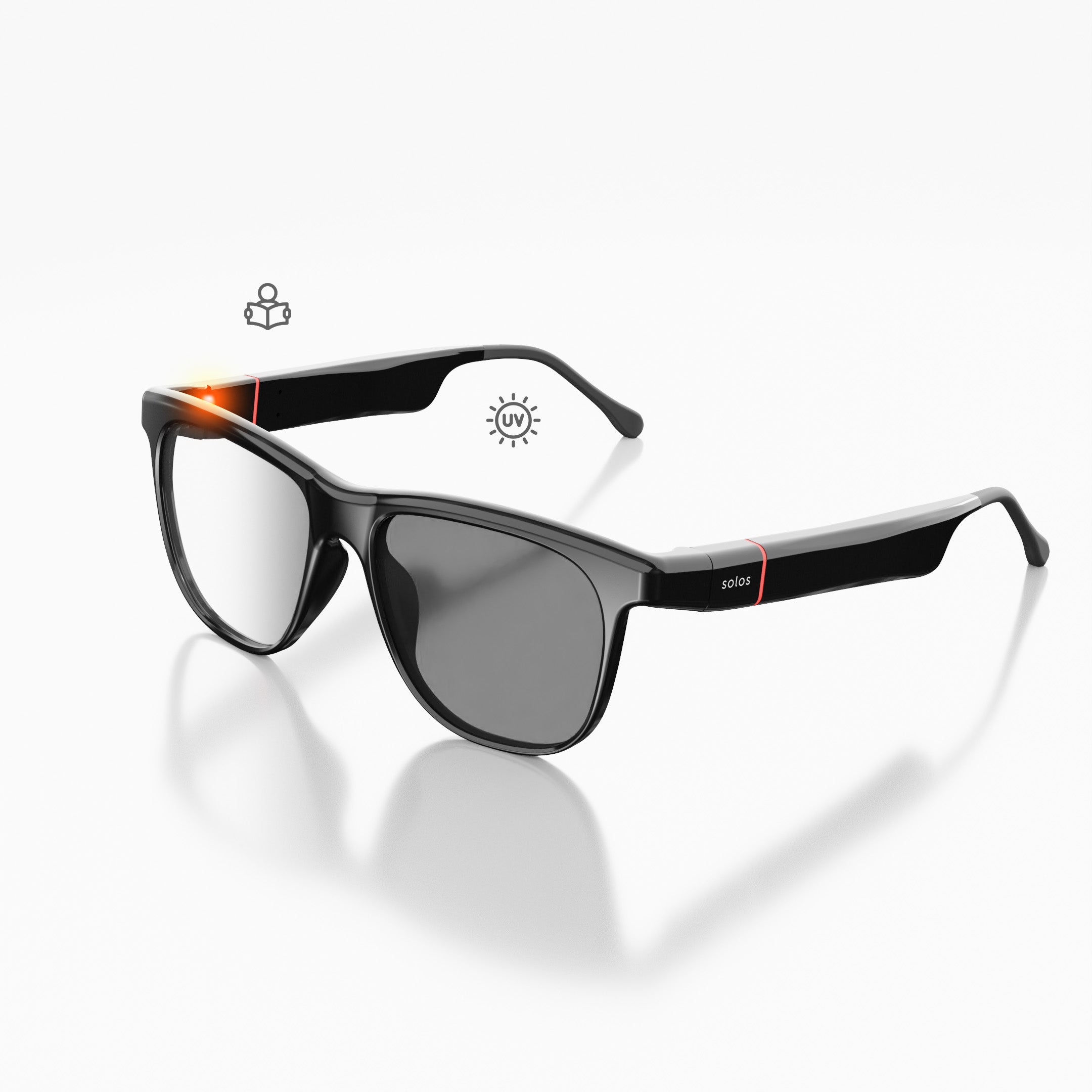
Solos® collaborates directly with leading optical lens manufacturers, including ZEISS, to offer pre-glazed photochromic (light-adaptive) and high-clarity anti-reflective sunglass fronts. Through the SmartHinge interface, users can wear crystal-clear blue-light blocking lenses while working at screens indoors, and immediately swap to polarized ZEISS sport fronts or photochromic fronts before stepping outdoors or commuting.