Engineered for seamless Rx glazing, Japanese telecommunications compliance, and high-performance open-ear audio.
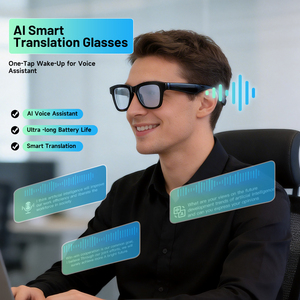
Lightweight TR90 frame with hands-free call answering, open-ear directional audio, and prescription-ready optical channels.
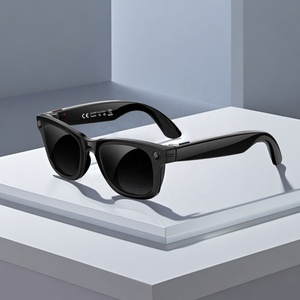
Integrated 8MP optical sensor, real-time voice translation, hands-free video recording, and photochromic Rx compatible front.
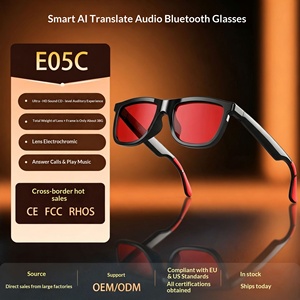
Instant touch tint adjustment, AI dialogue translation, micro-beamforming microphones, and custom optical glazing channels.
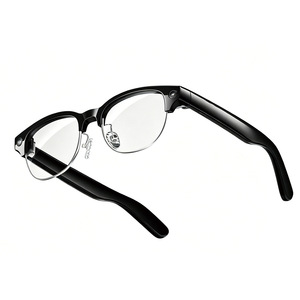
IP67 rugged construction, anti-blue light prescription lenses, 30fps video capture, designed for industrial field logistics.
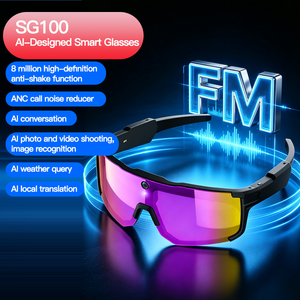
Ultra-light frame architecture, Bluetooth 5.3 connectivity, polarized TAC sun lenses, and quick-swap prescription carrier.
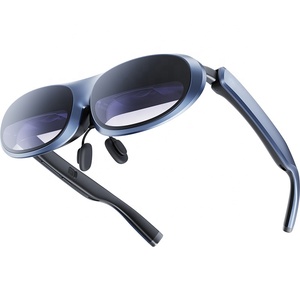
Micro-OLED virtual display engine, 4K video rendering support, compatible with smartphones, PCs, and Japanese gaming consoles.
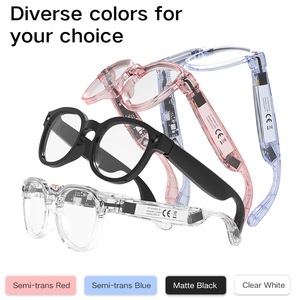
Elegant ergonomic design customized for smaller face contours, HD audio recording, voice assistant activation, and Rx optics.
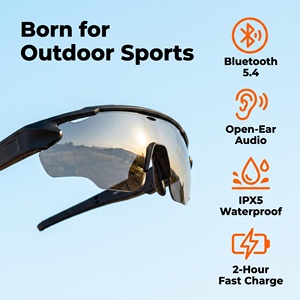
Extended 10-hour playback battery life, IP54 sweat protection, high-fidelity acoustic drivers, designed for cycling and running.
The convergence of advanced wearable micro-electronics and precision optical correction marks a paradigm shift in the global eyewear industry. Nowhere is this transformation more demanding or technologically sophisticated than in Japan. As a global focal point for both optical craftsmanship—anchored by the world-renowned Sabae, Fukui Prefecture optical manufacturing hub—and rapid enterprise digital adoption (Society 5.0), Japan presents a unique operational landscape for B2B smart glasses procurement, wholesale distribution, and OEM customization.
For Japanese optical chains, corporate procurement teams, and technology importers, sourcing prescription-ready smart glasses directly from specialized manufacturing facilities requires navigating strict optical tolerances, regulatory frameworks (such as TELEC/MIC radio certification, PSE safety standards, and MHLW medical device compliance), and localized ergonomic needs. This whitepaper provides a comprehensive technical overview of smart glasses manufacturing engineering, micro-acoustic integration, optical glazing compatibility, and supply chain strategies tailored for exporters and distributors serving the Japanese market.
Designing frames that match traditional Japanese sizing (S/M/L Asian Fit), pantoscopic tilt requirements, and temple flex tolerances demanded by Japanese consumers.
Separating the smart electronics temple core from the optical frame front, allowing opticians in Tokyo or Osaka to glaze lenses into front chassis without risking electronic components.
Eliminating acoustic leakage on crowded Tokyo subway lines (Yamanote Line) and quiet open offices via reverse-phase acoustic field cancellation technology.
A critical analytical insight into the Japanese market reveals that generic consumer tech wearables—such as bulk audio sunglasses imported without prescription adaptation—face rapid consumer churn and low retail adoption. Over 70% of the adult Japanese population requires corrective vision lenses (single vision, progressive addition lenses (PAL), high-index myopia correction, or anti-asthenopia blue-light filtering for screen use).
Key Industry Takeaway: Smart glasses cannot be treated merely as consumer electronics accessories. In Japan, they must function first as high-comfort, optically precise corrective eyewear, and second as a seamless hands-free AI and acoustic interface.
To deliver true Information Gain for B2B buyers, our manufacturing facility addresses the structural limitations of conventional smart glasses through three foundational optics-first innovations:
By decoupling the optical front frame from the smart audio/sensor temples, optical dispensers can fit, bevel, and glaze single-vision, progressive, photochromic, or electrochromic lenses using standard lab edging machinery without subjecting sensitive Bluetooth 5.3 chips or batteries to mechanical vibration or coolant moisture.
Request OEM Integration Specification ManualAs a specialized factory and exporter, our engineering facilities operate ISO 9001 and ISO 13485 cleanroom assembly lines dedicated to micro-optics and audio frame manufacturing. Below is an architectural overview of the core sub-systems integrated into our prescription smart glasses:
Utilizes dual open-ear directional transducers mounted in the upper temple arms. Sound waves are directed into the tragus area while secondary out-of-phase acoustic ports emit destructive interference waves into the surrounding air, reducing sound leakage by over 92% at 30cm distance.
For vision-enabled models (e.g., Prime & H03B series), ultra-compact 8MP sensors with physical privacy shutters are coupled with micro-dispersion lenses. Camera firmware includes a mandatory audible capture indicator tone compliant with Japanese privacy conventions.
The export strategy for smart glasses in Japan extends beyond traditional retail optical shops into targeted industrial, medical, and corporate B2B sectors. Understanding these localized application scenarios enables importers and distributors to position products effectively:
In high-density urban transit systems, white-collar professionals rely on open-ear audio smart glasses for hands-free phone calls, voice assistant prompts, and real-time SolosTranslate™ multilingual AI communication. The open-ear design maintains situational awareness (hearing ambient train announcements and traffic cues) while maintaining complete privacy during sensitive business communications.
In Japan’s manufacturing and automotive corridors (such as Toyota City and industrial Kanagawa), hands-free inspection glasses equipped with 1080P HD cameras and prescription safety lenses enable factory technicians to record assembly lines, consult remote engineering specialists via live video feed, and overlay diagnostic checklists without holding handheld tablets.
Facing a super-aged demographic, Japanese medical institutions and eldercare facilities utilize prescription smart glasses with real-time translation and voice-to-text logging. Medical staff wearing progressive prescription smart glasses can update patient records via hands-free voice commands while maintaining eye contact with patients.
Railways, telecommunications utility crews, and solar array maintenance teams operating outdoors require IP54/IP67 splash-resistant eyewear equipped with photochromic (light-adaptive) prescription lenses. Smart glasses automatically transition from clear indoors to dark smoke outdoors while providing continuous radio voice link with central dispatch command centers.
Evaluating Search Intent and industry trajectory highlights four definitive macro-trends shaping smart glasses exports into Japan over the next five years:
As an established factory direct exporter, our facility bridges the gap between high-volume semiconductor assembly and boutique optical refining. We offer turnkey solutions for brand owners, optical chains, and technology integrators in Japan:
Rapid 3D optical frame prototypes and injection tooling for customized Japanese facial contour frame profiles (TR90, Swiss EMS, Japanese Titanium, Mazzucchelli Acetate).
Complete iOS/Android SDK access, customized Bluetooth pairing IDs, localized Japanese voice prompts, and deep integration with proprietary enterprise software apps.
Every batch undergoes 100% automated optical axis alignment testing, IP54/IP67 water ingress testing, 10,000-cycle hinge endurance testing, and drop resistance validation.
Clear, authoritative answers regarding custom optical fitting, B2B wholesale logistics, and regulatory compliance.