Global Sourcing Analysis: Sourcing Prescription Smart Frames in 2026 & Beyond
The global eyewear market is experiencing a structural convergence. Traditional optical frames and consumer audio-visual technology are no longer parallel industries. As prescription eyewear users—who represent over 60% of the adult population in developed nations—demand hands-free digital connectivity, the global procurement landscape for prescription frames suppliers and manufacturers has fundamentally changed.
1. The Transition from Gadgets to Prescription-First Smart Eyewear
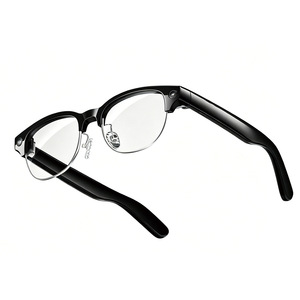
Early iterations of smart glasses suffered from excessive weight, awkward thermal dissipation along the temples, and a total disregard for optometric fitting standards. Modern optical buyers are prioritizing prescription-first design architecture. Frames must accommodate standard single vision, progressive, high-index, photochromic, and blue-light filtering lenses glazed directly into the chassis without compromising internal micro-circuits or microphone ports.
2. Key Technology Drivers Transforming Frame Procurement
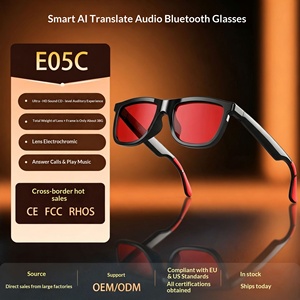
- Electrochromic & Smart Photochromic Tint Control: Buyers are shifting away from static sun tinting. Current procurement orders favor frames integrating four-gear touch-controlled electrochromic lenses or high-speed photochromic dyes that transition from clear indoor prescription glasses to dark outdoor sunglasses within seconds.
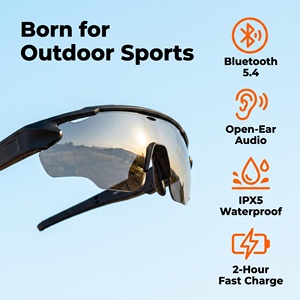
- Open-Ear Micro-Acoustics over Bone Conduction: Bone conduction audio historically suffered from harsh vibrations against the zygomatic arch and mediocre frequency response. Advanced micro-directional speakers built into lightweight TR90 or acetate temples deliver full-spectrum sound while leaving the ear canal completely unobstructed.
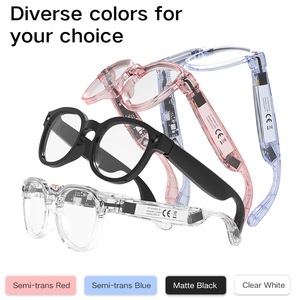
- Modular Architecture (SmartHinge™ Systems): To solve inventory volatility across hundreds of prescription frame styles, leading suppliers are deploying standardized electronic temples coupled with interchangeable front frame shapes. Distributors can swap cat-eye, wayfarer, aviator, or rectangular front chassis instantly.
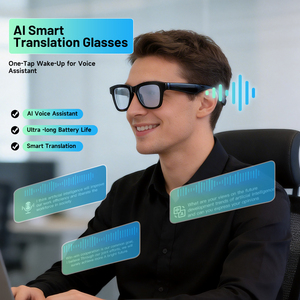
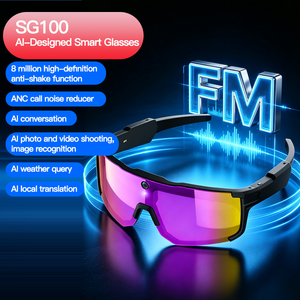
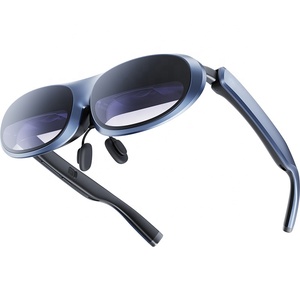
- On-Board AI Voice & Micro-Display Interfaces: The integration of low-power BLE 5.4 silicon and localized AI software development kits allows smart frames to act as real-time audio translation tools and heads-up micro-display carriers without tethering users to bulky smartphone screens.
Prescription Glazing & Lab Processing Standards
Our prescription smart frames feature standard V-bevel lens grooves engineered to handle lens powers ranging from -10.00 D to +6.00 D, with cylinder powers up to -4.00 D. Optical labs can edge poly, Trivex, 1.67, and 1.74 high-index materials using conventional CNC edging machines without requiring specialized tooling adapters.