
Engineered for global OEM/ODM deployment. Fully customizable with prescription compatibility, directional audio, anti-blue light, and real-time AI spatial integration.
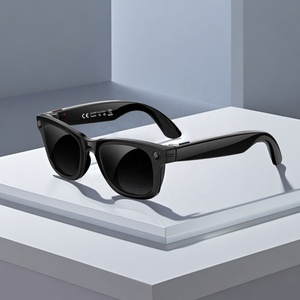
The global wearable technology ecosystem is undergoing a paradigm shift. What began as basic Bluetooth audio headwear has evolved into sophisticated spatial computing terminals, powered by multi-modal Generative AI, electrochromic optics, and proprietary micro-display systems. For international brand buyers, optical chain purchasing heads, and enterprise procurement directors, selecting a certified OEM/ODM Wearable Tech Exporter & Exporters partner requires examining hardware engineering depth far beyond off-the-shelf consumer gadgets.
Originating from advanced optical micro-display research under Kopin Corporation and refined through decades of MIT-trained engineering leadership, our AirGo™ wearable platform provides global distributors and B2B buyers with an unmatched technological moat. By controlling the underlying acoustic physics, optical lens geometry, antenna efficiency, and modular mechanical hinges, we deliver hardware built for scalability, prescription interoperability, and long-term firmware continuity.
Information Gain Insight for B2B Importers: Wearable tech returns are overwhelmingly driven by two failure points: micro-optical misalignment causing user eye fatigue, and acoustic sound leakage violating user privacy. Our engineering eliminates both through patented SmartHinge™ modular mechanical tolerances and acoustic Whisper® phase-cancellation tech.
Unlike standard electronics assembly facilities that adapt smartphone components into eyewear frames, our manufacturing architecture is built specifically around optical and acoustic ergonomics. Every production line adheres to ISO-controlled assembly standards, ensuring full traceability from micro-SMC placement to final optical spectrum testing.
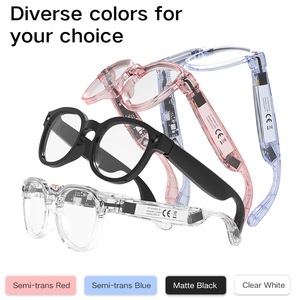
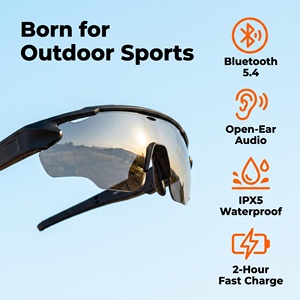
Patented quick-release mechanical hinges allow brand partners to offer interchangeable front frame styles (sunglasses, optical prescription, sports wrap) while maintaining a single core electronics temple asset inventory.
Dual-driver reverse-phase acoustic cavities channel precise sonic waves directly into the ear canal. This delivers rich, low-distortion audio while suppressing ambient sound spill by up to 30dB for total call privacy.
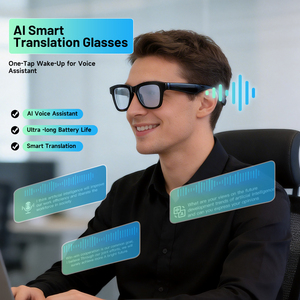
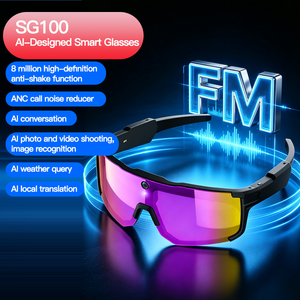
Native integration with multi-modal LLM backends allows real-time bidirectional 40+ language translation, voice-activated dynamic workflows, and hands-free prompt execution over encrypted Bluetooth channels.
As consumer and enterprise adoption accelerates, the smart eyewear market is migrating from single-function devices toward highly integrated multi-sensory computing platforms. OEM/ODM buyers must align their product roadmaps with key emerging technical vectors:
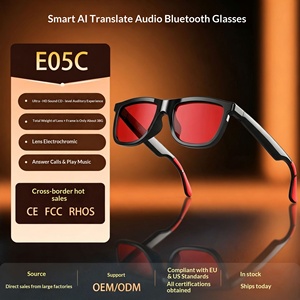
Traditional photochromic lenses rely on UV light absorption to darken, which fails behind UV-blocking automotive glass. Next-generation OEM smart glasses integrate Four-Gear Electrochromic (EC) Molecular Layers, allowing users to manually touch-adjust or automatically command frame tint level via onboard light sensors regardless of UV presence. This technological leap transforms smart eyewear into true all-day vision hardware.
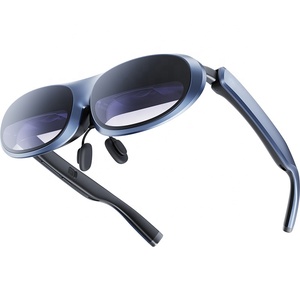
The integration of ultra-compact 8MP camera sensors and Micro-OLED optical waveguides allows wearable tech to perceive the wearer's environment in real-time. Paired with low-latency AI vision models, smart glasses can now visually identify objects, read foreign signboards instantly, and provide private heads-up audio commentary without requiring users to hold a smartphone.
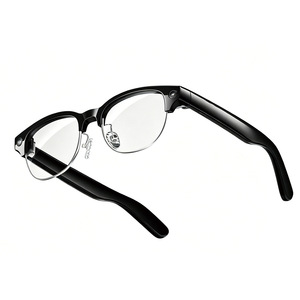
Early smart glasses ignored the prescription eyewear market, serving only non-corrective sunglass wearers. Today, over 60% of global adults require vision correction. Modern OEM platforms utilize rimless, semi-rimless, and full-rim structural chassis designed to accept custom Rx lab glazing—including high-index single vision, progressive, and blue-light blocking filters—without stressing internal PCB circuits or battery flexing joints.
Sourcing electronic eyewear involves navigating complex international compliance frameworks, patent clearance, and lifecycle component management. Professional importers must evaluate potential OEM/ODM partners against rigorous engineering metrics:
| Architecture Component | Standard Market Specification | Solos OEM/ODM Enterprise Grade | B2B Procurement Advantage |
|---|---|---|---|
| Frame Chassis System | Fixed monolithic frame plastic | SmartHinge™ Modular Mechanical Joint | Reduces SKU holding costs by 60%; allows frame front customization |
| Acoustic Leakage Control | Standard open speaker grills | Whisper® Directional Reverse-Phase Dipole | Ensures executive call confidentiality in public environments |
| Lens Compatibility | Non-removable standard PC lenses | Universal Glazing Rx Ready + Electrochromic | Unlocks optical retail chain sales channels globally |
| Battery & Thermal Management | Single frame-temple lithium pouch | Dual-Balanced Temple Batteries (Up to 290mAh) | Eliminates temple heat transfer; balances weight distribution |
| Firmware & Software SDK | Closed proprietary firmware | Open API / BLE SDK Platform Support | Enables white-label corporate app customization and branding |
Regulatory Compliance Matrix: All exported units are fully certified under CE, FCC, RoHS, REACH, and FDA Class I Medical Device regulations for prescription frames, ensuring smooth customs clearance across North American, European, and Asia-Pacific ports.
Essential guidance for product managers, sourcing specialists, and enterprise brand partners considering OEM/ODM smart glasses development.
Accelerate your brand's entry into the AI smart glasses market with patent-protected hardware, modular optics engineering, and certified global supply chain reliability.