
Precision-manufactured smart glasses and swappable magnetic optical chassis engineered for global brands, distributors, and prescription optical chains.

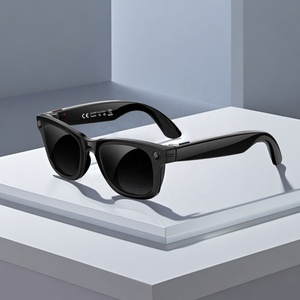
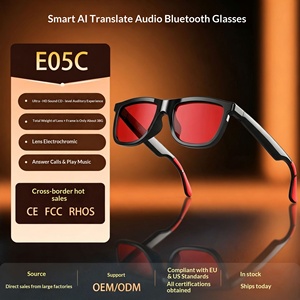
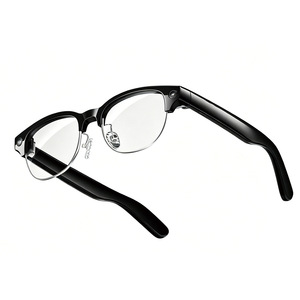
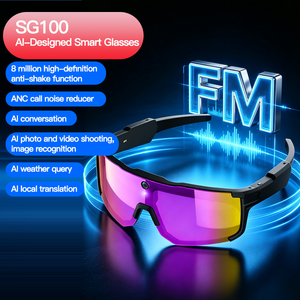
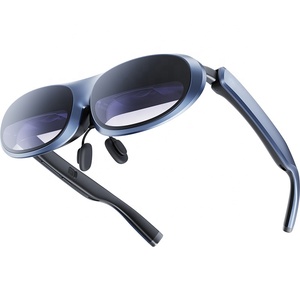
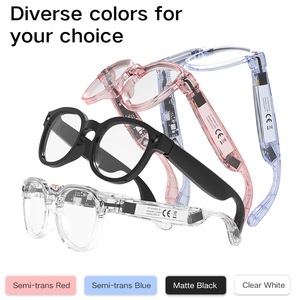

The global wearable optics and smart eyewear market is undergoing a structural paradigm shift toward modular frame architectures. Enterprise procurement directors, optical chain buyers, and consumer electronics distributors no longer evaluate eyewear simply as static frames. Instead, market demand prioritizes modular flexibility: frames capable of instantly swapping optical lenses for varying light conditions, prescription power requirements, and specialized digital sub-assemblies (such as audio temples or micro-displays).
At the center of this technological revolution is the precision-engineered magnetic clip-on and quick-change lens architecture. Original Equipment Manufacturers (OEMs) and Original Design Manufacturers (ODMs) are replacing traditional screw-locked optical rims with high-coercivity Neodymium (N52) magnetic coupling systems. When executed correctly, magnetic lens mechanisms provide instantaneous front-frame swapping without compromising optical alignment, structural rigidity, or IP-rated environmental sealing.
Standard aftermarket clip-on sunglasses suffer from alignment slippage and mechanical wear. Industry-leading OEM/ODM factories utilize custom N52 magnetic inserts positioned along the frame bridge and temple hinges, creating a multi-point kinematic mount with sub-0.05mm positional tolerance. This eliminates distortion in prescription (Rx) and electrochromic applications.
For B2B procurement stakeholders, selecting a qualified OEM/ODM partner requires deep evaluation of optical lab capabilities, precision tooling, patent ownership, and firmware continuity. This document sets forth technical benchmark specifications, procurement considerations, and future innovation trends governing magnetic smart glasses manufacturing.
Utilizes multi-axis micro-magnets embedded within TR90 or acetate frame rims, locking optical fronts in place under 15G movement stress tests.
Houses Bluetooth 5.4, open-ear Whisper® directional acoustic drivers, and touch-sensitive capacitive sliders seamlessly inside modular temples.
Supports direct prescription glazing (CR-39, Polycarbonate, Trivex, High-Index 1.67/1.74) and magnetic clip-on carrier frames without thickness bulk.
When sourcing custom magnetic optical frames and smart glasses, commercial buyers must enforce strict manufacturing standards. Below is the official technical matrix maintained by top-tier optics facilities:
| Specification Parameter | Standard OEM Standard | Flagship ODM Enterprise Benchmark | Testing Protocol / Compliance |
|---|---|---|---|
| Magnetic Retention Force | 1.2 N per magnet point | 2.8 N – 3.5 N (N52 High-Temp Neodymium) | ASTM F2077 Pull & Shear Test |
| Optical Alignment Drift | < 0.20 mm lateral displacement | < 0.03 mm Kinematic Zero-Tolerance | Laser Interferometer Profilometry |
| Lens Substrate Materials | Standard Polycarbonate (PC) / TAC | Polyamide (Nylon) / ZEISS Precision / CR-39 | ANSI Z80.3 & ISO 12312-1 |
| Environmental Sealing | IP52 Splash Resistant | IP54 to IP67 Complete Waterproof Seal | IEC 60529 Dust & Water Ingress Test |
| Electrochromic Tint Speed | Single step (< 3.0s transition) | 4-Gear Touch Dimming (< 0.4s response) | Optoelectronic Response Spectrum |
| Acoustic Isolation (Smart Frames) | Reverse-phase leakage dampening | Whisper® Directional Beamforming Sound | Anechoic Chamber Acoustic Profiling |
As global retail brands shift away from single-purpose eyewear, strategic sourcing professionals must align procurement pipelines with emerging technological shifts over the next 5 years:
Future high-end magnetic clip-on frames combine light-adaptive photochromic coatings with active electrochromic liquid crystal layers. Users gain instant electronic manual control over tint density alongside ambient UV-triggered adjustment.
Rather than disposing of electronic temples when lens prescriptions change, modern B2B buyers order standardized electronic arms that snap magnetically into diverse optical fronts (eyeglasses, sports wrap-around sun lenses, or safety glasses).
Next-generation OEM factories are designing magnetic optical rims capable of clipping secondary micro-OLED optical waveguides directly onto prescription eyewear, bringing augmented reality notifications into conventional optical frames.
Global regulations (REACH, RoHS, European Green Deal) require B2B manufacturers to transition from petroleum-based plastics to bio-derived acetate and recycled titanium alloy chassis paired with hypoallergenic magnetic housings.
Spun out of micro-display and optical pioneer Kopin Corporation and led by an MIT-trained optics engineering team, our production network operates at the absolute intersection of optical engineering and smart technology.
Our proprietary magnetic quick-swap mechanics, SmartHinge™ coupling, and Whisper® acoustic directional audio are fully protected across global jurisdictions, giving our B2B partners clear market differentiation without IP risk.
Every magnetic lens sub-assembly undergoes automated optical centering, spectral light transmission testing, and thermal humidity cycling (-20°C to 70°C) to prevent magnet delamination and lens fogging.
Key technical answers for brand managers, optical chains, and electronics sourcing executives evaluating OEM/ODM magnetic eyewear manufacturing.
Contact our optical design team to request technical datasheets, CAD 3D frame drawings, master sample kits, and wholesale factory pricing structures.
Get a Quote