
Precision-engineered audio smartglasses, ENC translation headsets, and ChatGPT-enabled smart wearables manufactured under strict ISO9001 and ISO14001 standards.
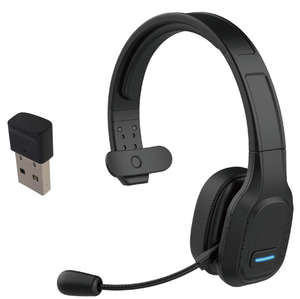
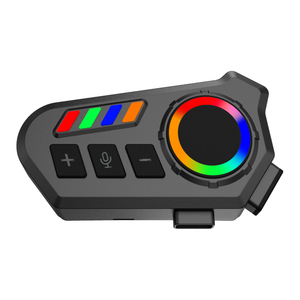
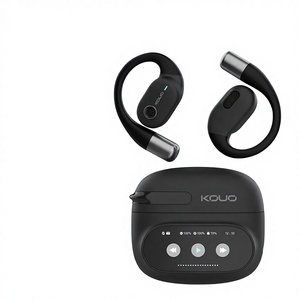
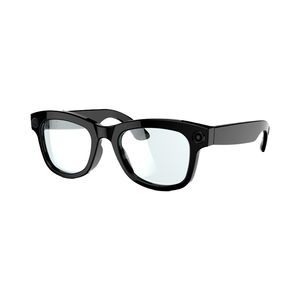
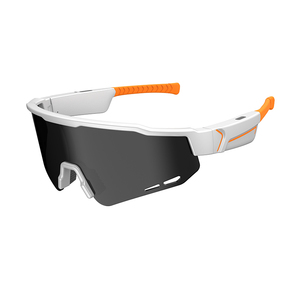
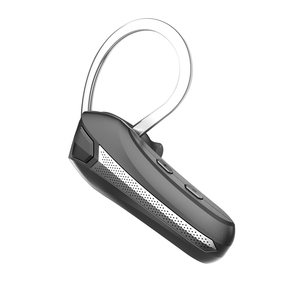
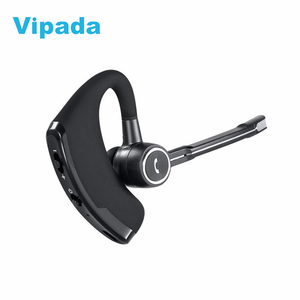
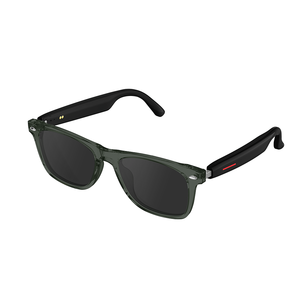
The global wearable technology ecosystem is undergoing a fundamental structural transition. Sourcing managers, consumer electronics distributors, and enterprise product managers seeking to partner with China top smart headset factories and exporters are no longer merely evaluating acoustic frequency response curves or plastic injection mold tolerances. The search landscape and buyer intent have evolved toward semantic intelligence, multi-modal sensor fusion, edge AI integration, and modular optical-acoustic frames.
As the world's primary hardware manufacturing hub, China's smart headset manufacturing infrastructure—centered across the Pearl River Delta (Shenzhen, Dongguan, Huizhou) and Yangtze River Delta (Ningbo, Suzhou)—has re-architected its R&D paradigms. Leading OEMs and ODMs have moved beyond traditional Bluetooth 5.0 audio headsets to deliver sophisticated, multi-functional smart wearables powered by Qualcomm QCC series chipsets, BES (Bestechnic) micro-controllers, and custom Nordic Semiconductor Bluetooth Low Energy (BLE) SoCs.
Information Gain Insight: The modern B2B procurement decision for smart headsets hinges on 3 core pillars: 1) Hardware modularity (such as SmartHinge™ swappable frame fronts), 2) On-device AI latency (<200ms processing for voice translation and ChatGPT endpoints), and 3) Regulatory compliance (ISO9001, BSCI, FCC, CE, RoHS, and privacy-compliant optical hardware).
Chinese exporters are now providing enterprise buyers with turn-key hardware-software stacks. By bundling proprietary open-ear directional sound algorithms (Whisper® technology), noise-cancelling microphone arrays (ENC dual-mic beamforming), and integrated SDKs for iOS and Android, top-tier manufacturers enable global brands to reduce time-to-market from 18 months down to less than 90 days.
Detailed analysis of core hardware innovations available for private-label and OEM/ODM global procurement.
Next-gen headsets feature hardware-level hotkey integration or wake-word engines that directly trigger cloud-based LLMs, enabling hands-free voice inquiries, live contextual translation, and automated task scheduling without taking out the smartphone.
Replacing traditional in-ear silicone tips, open-ear audio technology uses reverse sound wave phase cancellation and directional acoustic tubes to project audio straight into the ear canal. Sound leakage is reduced by up to 92%, preserving privacy in public environments.
Engineered by optics specialists from MIT and Kopin heritage, modular hinge designs allow a single pair of electronic smart temples to snap onto multiple frame fronts—ranging from prescription eyewear to photochromic sport sunglasses and HUD-equipped vision frames.
To assist corporate buyers, purchasing managers, and brand strategists in optimizing their global supply chain, our industrial research team highlights four strategic procurement trends currently redefining the smart headset industry in China:
The boundary between traditional consumer audio headsets (over-ear/TWS) and optical eyewear is rapidly dissolving. B2B procurement data shows a 140% year-over-year surge in demand for prescription-ready smart audio glasses. Leading factories are establishing cleanroom optical assembly lines capable of glazing single-vision, progressive, blue-light blocking, and photochromic (light-adaptive) lenses directly into smart frame fronts. This enables importers to sell into optical retail chains as well as consumer tech channels.
As smart glasses and smart headsets incorporate camera sensors for anti-shake video recording, computer vision, and augmented reality (AR) optical alignment, global regulatory scrutiny regarding privacy has heightened. Top Chinese exporters are tackling this intent by developing physical privacy accessories, visible LED capture indicators, and detachable quick-release camera modules. Importers can customize firmware to disable camera hardware in restricted regions or corporate environments.
Power management remains a cornerstone of wearable R&D. Premium China factories are adopting custom lithium-polymer battery micro-cells with energy densities exceeding 700 Wh/L. Combined with ultra-low-power Bluetooth 5.4 SoCs and intelligent capacitive wear detection (automatic power-on/off when putting on or removing the headset), current-generation smart audio wearables deliver 8 to 12 hours of continuous music playback and up to 7 days of standby on a single 45-minute magnetic fast charge.
Enterprise procurement teams are increasingly shunning locked hardware ecosystems. Top export factories provide white-label companion mobile applications along with full iOS/Android software development kits (SDKs). This allows brand clients to integrate custom voice control workflows, enterprise push-to-talk (PTT) capabilities, real-time simultaneous translation APIs (supporting 40+ languages), and fitness tracking algorithms into their branded apps.
When selecting a Chinese manufacturing partner for smart headsets and audio wearables, verifying operational authority and technical competence is critical. Our manufacturing base combines world-class optical engineering heritage with scalable high-volume SMT manufacturing capacity.
Backed by over a decade of micro-display and open-ear acoustic engineering. Our patent portfolio covers hinge mechanics, directional acoustic chambers, noise cancellation algorithms, and optical frame geometry, shielding global brand partners from IP litigation.
Equipped with automated SMT placement lines, acoustic anechoic test chambers, CNC frame milling, IPX4 to IPX7 waterproof test rigs, and environmental stress chambers. Every production batch undergoes 100% functional testing prior to export packing.
Whether you require low-MOQ trial orders for white-label smart glasses, custom colorways, laser-engraved logos, specialized prescription lens glazing, or bespoke firmware tuning, our engineering teams offer full co-development support.
Direct technical and commercial answers designed for B2B buyers, supply chain executives, and optical distributors.
Connect directly with our factory R&D team to request sample evaluation kits, custom OEM specifications, and comprehensive wholesale volume price sheets.