Free tracked shipping over US$199 in North America · solos AirGo™ V2 with photochromic lens now shipping
Photochromic smartglasses promise a simple benefit: lenses that respond to changing light while you stay connected. Yet the experience depends on more than a darkening tint. Buyers should examine transition speed, indoor clarity, UV protection, prescription options, battery life, camera placement, and comfort. A lens that looks impressive outdoors may still feel too dark in a café or slow to clear after sunset. Small details matter.
There is one sourcing limitation: no articles or verified eyewear-industry quotation were provided, so I won’t invent one. A useful reminder comes from physicist Richard Feynman: “The first principle is that you must not fool yourself—and you are the easiest person to fool.” He was not discussing eyewear, but his warning suits a market where polished demonstrations can hide everyday trade-offs. Marketing claims deserve careful checking.
This 2026 guide compares leading models through practical questions: How quickly do the lenses adapt? Can you read a phone screen indoors? Do the frames remain comfortable after an hour? We’ll also separate features that improve daily use from features that merely sound advanced. No single pair will suit everyone. Some buyers may value clear indoor vision over dramatic tint changes; others may prioritize prescription support or hands-free controls. The comparison aims to make those compromises visible, while acknowledging that product performance can vary with lighting, fit, and personal expectations.
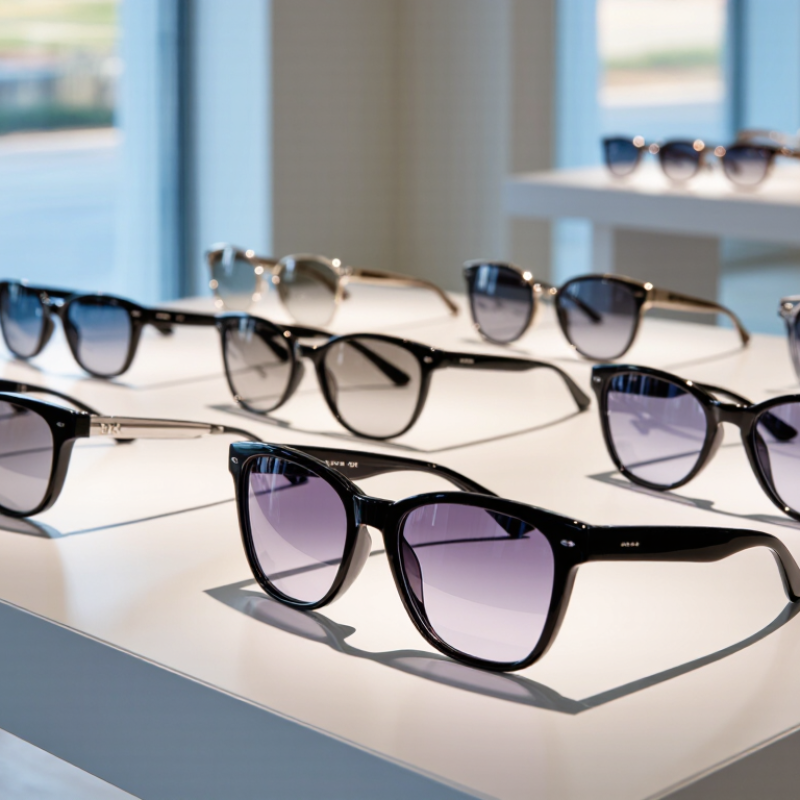
Photochromic smart glasses combine lenses that change tint with electronic features such as audio, sensors, or a small display. The lenses usually contain light-sensitive molecules that respond to ultraviolet radiation. Outdoors, these molecules change structure and absorb more visible light, making the lenses darker. When UV exposure falls, they gradually return toward a clearer state. The change is chemical, not a battery-powered screen effect.
It takes time. A bright sidewalk may darken the lenses within minutes, while clearing can take longer. Temperature also matters: some photochromic lenses respond differently on a cold morning than on a warm afternoon. Behind a car windshield, UV exposure may be reduced, so the lenses might not darken as much as expected. “Smart” does not mean instant or perfectly adaptive.
The electronic features operate separately from the tinting chemistry. A sensor may track movement, while open-ear speakers deliver navigation prompts without covering the ears. Check whether the glasses provide prescription options, comfortable weight, and controls you can use without looking. Also ask how replacement lenses affect the electronics. One drawback is easy to miss: darker lenses can change a scene’s appearance, yet they may not suit every lighting condition. Test them in your usual settings, not just under shop lights.
Photochromic lenses rely on light-sensitive molecules that change structure when exposed to ultraviolet radiation. This shift increases visible-light absorption, making the lens appear darker outdoors. When UV exposure drops, the molecules gradually return to a clearer state. The process is automatic, but not instant. A lens may need several minutes to fade after you step indoors. Temperature also matters: some materials darken more in cool conditions and respond less strongly in heat. Behind a car windshield, UV filtering can limit darkening, though performance varies by lens design.
Smart features add electronics without changing that basic chemistry. Small sensors can measure light, while a processor may adjust a display’s brightness or trigger alerts. Some frames also include microphones, speakers, or wireless connections, all of which affect weight and battery life. Look closely at how the lens and electronics work together. A bright display can remain distracting against a changing tint, and extra coating layers may influence color or clarity. Details matter. Ask for measured transition times, UV specifications, and battery estimates under ordinary use. These figures are not always easy to compare, and advertised performance may not match every face, climate, or driving situation.
| Technology or Feature | How It Works | What Buyers Can Expect | Key Limitation or Check | Best Use Case |
|---|---|---|---|---|
| UV-activated photochromic lens | UV exposure triggers photochromic molecules in the lens to change structure and absorb more visible light. | The lens darkens outdoors and generally returns toward a lighter state indoors. The speed and final darkness vary by lens material, temperature, and UV intensity. | Vehicle windshields block much of the UV that activates conventional lenses, so darkening behind a windshield may be limited. | Everyday outdoor wear with frequent movement between bright and shaded environments. |
| Visible-light-responsive photochromic lens | Some lens formulations respond to visible light as well as UV, allowing activation under a broader range of conditions. | May provide more tint in a vehicle than a UV-only lens, depending on the lens formulation and windshield. | Performance behind glass is product-specific; confirm the stated in-car behavior rather than assuming all photochromic lenses work the same way. | Buyers who spend substantial time driving and want a lens that adapts to changing daylight. |
| Temperature-dependent tint response | Photochromic reaction rates and tint levels are affected by temperature as well as light exposure. | Many photochromic lenses become darker in cooler conditions and may return to a lighter state more slowly; warm conditions can reduce maximum darkness. | Do not judge lens performance from a single test in one season or temperature range. | Buyers who use the glasses across different climates or seasons. |
| Darkening and clearing speed | The lens changes tint as light exposure changes, but darkening and fading are not always equally fast. | Darkening usually begins after exposure; returning to a clear state can take longer than the initial darkening. Actual timing varies by lens design and conditions. | Ask for measured transition information under stated test conditions if speed is important; avoid relying on a universal timing claim. | Users who move repeatedly between outdoor sunlight and indoor spaces. |
| UV protection | UV protection is provided by the lens material or coatings, independently of how dark the lens appears. | A clear-looking photochromic lens can still provide UV protection when it meets the relevant product specification. | Darkness is not a reliable indicator of UV protection. Check the lens’s stated UV rating and applicable certification. | All-day wear, including when the lens is in its lighter indoor state. |
| Bluetooth audio and microphones | Small speakers and microphones connect to a compatible phone or other device for calls, audio, or voice control. | Open-ear audio can keep the ears unobstructed and allow users to hear more of their surroundings than sealed headphones. | Sound leakage, wind noise, call quality, controls, and device compatibility differ. Open-ear audio does not replace hearing protection. | Hands-free calls, navigation prompts, and casual listening while staying aware of nearby sounds. |
| Camera and image capture | An integrated camera records still images or video and may use a companion app for transfer or controls. | Convenient first-person capture without holding a phone; image quality depends on sensor size, processing, and lighting. | Check recording indicators, storage and transfer requirements, battery impact, and local privacy rules before use. | Quick documentation, travel snapshots, and hands-free point-of-view recording. |
| Display or waveguide optics | Some smart glasses project information into the wearer’s field of view using a display and optical system; other models have no visual display. | Display-equipped designs can show notifications or navigation cues, while audio-first designs are generally simpler and may be lighter. | Check display visibility in bright daylight, field of view, prescription compatibility, and whether the display affects lens tint or appearance. | Buyers who need visual prompts rather than audio-only notifications. |
| Battery and charging | A rechargeable battery powers electronic functions such as audio, microphones, cameras, or displays. | Battery life changes with feature use, volume, recording time, wireless connection, and temperature. | Compare manufacturer test conditions and charging method; continuous recording or display use can reduce runtime substantially. | Matching the glasses to a typical day’s calling, listening, or capture needs. |
| Prescription and fit compatibility | Frame geometry, lens curvature, and available prescription options determine whether corrective lenses can be fitted appropriately. | Some designs support prescription lenses or inserts; options vary by frame and lens configuration. | Confirm prescription range, fitting availability, lens thickness limits, and whether replacement lenses retain the photochromic feature. | Prescription wearers who want photochromic and smart functions in one pair. |
| Buyer evaluation checklist | Assess lens behavior and electronics as separate systems before comparing overall value. | Prioritize the conditions that matter most: outdoor tint, in-car performance, prescription support, audio, camera, display, or battery. | Performance is model-specific. Review current specifications and test the fit and controls where possible. | Making a balanced purchase decision for everyday use in 2026. |
Photochromic smart glasses in 2026 combine light-responsive lenses with electronic features, but designs vary. The main type uses lenses that stay relatively clear indoors and darken outdoors under ultraviolet light. It suits people moving between offices, sidewalks, and shaded patios. The change takes time, and lens temperature can affect how dark the tint becomes.
Some models pair photochromic lenses with polarization to reduce reflected glare from roads or water. Check the specifications: a changing tint does not automatically mean a polarized lens. Another option uses prescription lenses, while non-prescription versions serve buyers who do not need vision correction. Fit matters. A lens that darkens unevenly around the frame can feel distracting.
Smart functions create another distinction. Some frames focus on audio and hands-free controls; others may include a small display or camera. These features do not determine how well the lenses adapt. Test the glasses in the conditions you actually face, especially inside a car, where windshields can limit ultraviolet exposure and slow darkening. A shop test is useful, but it cannot reproduce every climate or commute. That part is easy to overlook.
When comparing photochromic smart glasses, test more than tint darkening. Grand View Research estimated the global smart-glasses market at $1.93 billion in 2023, forecasting 27.3% annual growth from 2024 to 2030. That figure covers the wider category, not photochromic models alone, so it signals interest—not proof of better performance. Check lens transition times in bright sunlight and shade, then see whether the tint clears quickly enough indoors. Windshields can limit the ultraviolet exposure that activates many photochromic lenses. Try them in a car, not just outdoors.
Everyday comfort matters. Wear a pair for an hour and notice pressure at the temples, nose-pad grip, and whether the frame slips when you look down. Compare battery life with your typical use: calls, audio, or notifications can drain power differently. Ask for measured runtime and charging time, not just “all-day” claims. Small details count. Also inspect optical clarity at the edges and whether prescription options preserve the intended tint response. Specifications rarely capture how a frame feels after a long walk. That part is annoyingly personal.
Photochromic smart glasses should suit your actual routine, not just look convincing indoors. Compare lens darkness, transition speed, and clarity in shade. Ask whether the lenses respond mainly to ultraviolet light or also to visible light; many car windshields reduce UV, so some lenses may stay lighter behind glass. Check the product documentation for UV protection and applicable sunglass standards. Tint alone does not prove UV blocking. Fit matters.
A 2023 WHO/ILO joint estimate, published in Environment International, found that 1.6 billion workers experienced occupational solar UV exposure in 2019. That figure concerns workplace exposure, not eye injuries, but it highlights why dependable protection matters outdoors. For smart features, test controls with the glasses on and confirm that prescription inserts, if needed, do not obstruct sensors. A phone demo is not a real-world test. Compare performance in bright sun and under tree shade before relying on a pair all day.
Tips: Rinse dust off before wiping; dry grit can scratch lenses. Use a clean microfiber cloth and the maker’s approved cleaner. Avoid hot dashboards, which may harm coatings or electronics. Check hinges, charging contacts, and lens response regularly. Keep notes. If one lens changes more slowly, ask a qualified optician or the seller to inspect it rather than assuming it is normal.
Light-sensitive molecules react to ultraviolet radiation and absorb more visible light. The lenses darken outdoors. The change is chemical, not a screen effect.
No. Darkening may take minutes, and clearing can take longer after you go indoors. A quick transition would be convenient, but that is not guaranteed.
Yes. Some lenses respond differently in cold and warm conditions. The exact effect depends on the lens material.
They may darken less because windshields can filter ultraviolet light. Results vary. A shop test may not predict your commute.
No. Tint-changing lenses are not automatically polarized. Check the specifications if reflected glare from roads or water concerns you.
Some frames have sensors, microphones, open-ear speakers, wireless connections, or a small display. These features work separately from the tinting chemistry.
Some designs offer prescription lenses, while others are non-prescription. Ask how replacement lenses affect the electronics and frame fit.
Check comfort, weight, controls, and tint changes in your usual lighting. Try a sidewalk, shaded area, or car. Details matter.
Photochromic smartglasses combine lenses that adjust their tint in response to changing light with features such as audio, hands-free controls, or connected-device functions. This guide explains how photochromic materials react to light, how lens technology works alongside smart components, and why performance can vary with indoor and outdoor conditions. It also surveys the main types of glasses available in 2026, from simpler light-adaptive designs to models with more integrated digital features.
To compare options, buyers should consider lens transition speed, clarity, comfort, battery life, controls, connectivity, and how well the glasses suit everyday activities. The guide also offers practical advice for choosing a pair based on personal needs and caring for the lenses and electronic components over time. By understanding the trade-offs between optical performance, useful features, and wearability, shoppers can make a more informed choice and find glasses that fit their routines.