Free tracked shipping over US$199 in North America · solos AirGo™ V2 with photochromic lens now shipping
Buying Argon X ZEISS smartglasses should begin with verification, not excitement. Product names can sound similar, while specifications may differ by region, generation, or retailer. Check the official ZEISS and Argon product pages first. Confirm the exact model, available lenses, battery details, operating-system compatibility, and after-sales support.
Hugo Swart, a respected XR industry executive, once said, “We believe XR is the next computing platform.” That idea matters here. Smartglasses should solve a real need, such as hands-free instructions, visual information, or professional training. They should not become expensive decorations. Request a detailed technical sheet from an authorized seller. Ask whether prescription lenses are supported. Check frame measurements carefully. A small mismatch can cause discomfort after an hour.
Try them before committing, if possible. Notice the nose bridge, temple pressure, display brightness, microphone quality, and heat during use. A lighter frame may still feel tiring by lunchtime. Consider warranty length, return conditions, software updates, and data-handling policies. These details are less exciting, but they protect your purchase.
Be cautious with unusually low prices. They may reflect missing accessories, limited warranties, or unclear product origins. I would also question any listing that promises every feature without precise evidence. Specifications change, and online descriptions can be imperfect. Compare at least two reputable sellers, save the invoice, and confirm customer support before payment. The right Argon X ZEISS smartglasses should fit your face, workflow, and expectations—not merely your shopping cart.
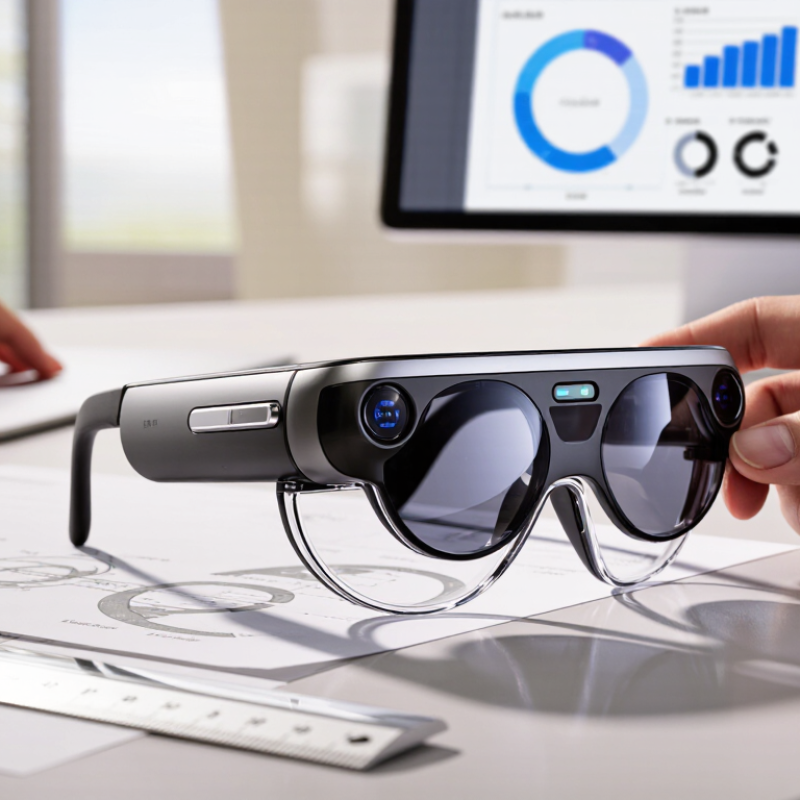
Buying smart glasses requires more than checking the camera or frame design. These wearable devices may combine an optical display, microphones, speakers, cameras, voice control, and wireless connectivity. Their value depends on how naturally these features support daily tasks. A 2024 Grand View Research report estimated the global smart-glasses market at over USD 1 billion, with strong growth expected through the decade. That growth does not guarantee a good personal fit.
When comparing a model, test the display outdoors and indoors. Check whether text remains readable without eye strain. Review battery estimates under real use, not only standby conditions. A camera, for example, may drain power quickly during calls or recording. Microphone clarity also matters in traffic or shared offices. I have found comfort easy to underestimate. A light frame can still feel heavy after two hours. Prescription-lens support, nose-pad adjustment, water resistance, and repair access deserve equal attention. IDC’s wearable device research consistently highlights comfort and practical utility as major adoption factors. That seems obvious, yet many product pages still emphasize specifications over wearability.
Tips: Write down your daily use cases before buying. Confirm phone compatibility, app support, warranty terms, and data controls. Ask whether the display is visible to others nearby. Try the glasses with your normal hairstyle and prescription lenses. A small fitting problem can become an expensive mistake. Some advertised features may also depend on software updates, so treat future promises carefully.
Before buying smartglasses, define the job they must perform. Are you viewing instructions, recording field notes, or receiving hands-free notifications? Intended use affects display brightness, camera needs, audio quality, and comfort. A warehouse worker may need clear text under harsh lighting. A technician may value a wide viewing area and stable controls. I would test the glasses during a normal work shift, not only for five minutes in a showroom.
Check compatibility carefully. Confirm the phone’s operating system, required application, wireless standards, and account permissions. Some features may depend on specific software versions. Review battery life under active use, not the manufacturer’s best-case estimate. Examine weight, lens options, adjustable fit, storage temperature, and charging time. Small details matter. A device that slides during movement quickly becomes distracting. I once underestimated nose-bridge comfort, and that mistake would affect daily use.
Tips: Write down your main tasks before comparing models. Ask for a live demonstration with your own phone. Test text readability at arm’s length and in bright sunlight. Check whether prescription lenses are supported. Read privacy settings carefully. If a specification sounds vague, request a measurable figure. Do not assume every advertised feature works in every region. Availability can change, too. Think again before paying.
Buying Argon X smartglasses requires more than finding the lowest online price. Focus on authorized sellers with verifiable business details, trained staff, and direct manufacturer support. The International Data Corporation reported that augmented and virtual reality device shipments were expected to grow strongly in 2024, increasing buyer interest and counterfeit risk. That growth makes seller verification more important.
Ask the retailer for an authorization statement, a dated invoice, and a complete warranty document. Check whether the serial number can be confirmed before payment. A reliable seller should explain lens options, software compatibility, regional support, and return conditions in plain language.
Avoid listings with stock photos only, vague warranty terms, or pressure to pay quickly. Those are warning signs.
I would also request a live demonstration. Look for clear image alignment, comfortable nose support, responsive controls, and stable wireless pairing. The Consumer Technology Association’s 2024 industry outlook identified continuing demand for connected devices, but adoption still depends on usability and trust. That point is easy to overlook.
A seller may be authorized yet still provide poor after-sales service. Read recent customer reviews, verify the physical address, and compare support response times. Keep every receipt, message, and product serial record. A careful purchase feels slower, but it reduces expensive surprises.
Buying Argon X ZEISS smartglasses requires more than checking the headline price. Compare the complete package: glasses, charging case, prescription inserts, cables, software access, and fitting support. IDC’s 2024 market analysis shows continued growth in smart eyewear, but product bundles still vary widely. A lower price may exclude essential accessories. Ask for an itemized quotation before paying.
Warranty terms deserve close attention. Check coverage length, battery treatment, lens replacement, accidental damage, and international service limits. Some sellers advertise a warranty but exclude moisture, frame pressure, or normal battery wear. Read the exclusions carefully. Keep the invoice and serial record. Baymard Institute’s research places average online cart abandonment near 70%, with unexpected costs often influencing decisions. Transparent delivery fees can prevent that unpleasant surprise.
Compare standard and expedited delivery by tracking, insurance, customs handling, and return procedures. A two-day promise means little if the package lacks reliable tracking. For international orders, confirm the final landed cost, local support, and estimated import processing time. Industry logistics reports continue to identify visibility as a major factor in customer satisfaction. My own buying checklist would include one more question: who pays when the smartglasses arrive damaged? Sellers often answer vaguely. That is a warning sign.
The chart compares three common purchase packages using typical consumer smart-glasses pricing, warranty periods, and standard delivery windows. Prices are shown in USD before tax.
A basic package generally has the lowest upfront cost, while prescription-ready and complete packages add lens or accessory costs. Before ordering, confirm prescription compatibility, regional shipping availability, return conditions, and whether the warranty covers accidental damage.
Completing the Purchase and Verifying Product Authenticity
Completing a smartglass purchase requires more than clicking “Buy.” Confirm the seller’s business details, return policy, warranty terms, and delivery estimate before paying. A clear invoice should show the exact model, condition, included accessories, and final price. Keep every message and payment record.
Check the product page carefully. Compare the listed specifications with the manufacturer’s current documentation, without relying on copied marketplace text. After delivery, inspect the sealed packaging, printed labels, charging cable, lenses, and protective case. The serial number should match across the box, device, and digital receipt. Small differences deserve attention.
Use the official product-registration or support channel to verify the serial number. Avoid entering personal information on unfamiliar websites. Packaging alone proves little. Genuine-looking boxes can still contain the wrong item.
Test the glasses in good lighting. Check charging, controls, display alignment, audio, and companion-app connection. Record a short unboxing video before removing protective materials. It may help with a return request. If the seller pressures you to confirm delivery before inspection, pause the transaction.
One detail can be missed.
I would also compare the seller’s photos with the received item. My earlier mistake was trusting a perfect product description without checking the warranty region. That assumption created unnecessary delays. A careful buyer verifies every detail before accepting the order.
Define the main task first. You may need instructions, field notes, or hands-free notifications. A warehouse worker may prioritize bright text, while a technician may need a wider viewing area.
Yes. Wear them during a normal work shift if possible. Five minutes in a showroom may hide nose-bridge pressure, slipping, or eye strain. Small details matter.
Confirm your phone’s operating system, required application, wireless standards, and account permissions. Some functions depend on software versions. Ask for a live demonstration using your own phone.
Check battery performance during active use, not only the best-case estimate. Note charging time and how quickly power falls during recording or display use. I would question vague figures.
Check weight, lens choices, adjustable fit, storage temperature, and display alignment. Test text at arm’s length and under bright sunlight. Also confirm prescription-lens support.
Review the seller’s business details, return policy, warranty region, delivery estimate, and final price. The invoice should list the exact model, condition, accessories, and payment amount. Keep every message.
Compare the serial number on the box, device, and digital receipt. Use the official registration or support channel. Packaging alone proves little. A perfect-looking box can still contain the wrong item.
Record a short unboxing video before removing protective materials. Inspect the labels, lenses, cable, case, and seals. Then test charging, controls, audio, display alignment, and application connection. Pause before accepting.
Buying Argon X ZEISS smartglasses begins with understanding their main features, such as display capabilities, connectivity, controls, comfort, battery performance, and available software functions. Before ordering, confirm that the glasses are compatible with your phone, computer, operating system, network, and intended activities. Review technical specifications carefully, including lens options, viewing requirements, storage, charging methods, and any limitations that may affect everyday use.
To make a reliable purchase, look for an authorized seller with clear product information and dependable customer support. Compare the total price, included accessories, package contents, warranty coverage, return policy, shipping time, and delivery conditions rather than focusing only on the headline cost. After completing the purchase, keep the receipt and order details, inspect the packaging, and verify the model, serial information, included components, and activation or registration process. These steps can help confirm that your Argon X ZEISS smartglasses are genuine, complete, and suitable for your needs.